24*7 365 days
24*7 365 days
The brain is one of the most sensitive parts of the body as it is the organ that controls our entire body. Therefore, any traumatic injury to the brain can damage your entire body. While there are many forms of injuries to the brain, Traumatic Brain Injury or TBI for short, is one of the most common forms of brain injuries. But what even is a traumatic brain injury? What are the early signs and symptoms of TBI? And when to see a doctor?
In this blog, we provide you with a general overview while focusing on traumatic brain injury symptoms. But before we dive deep into the various aspects of traumatic brain injury, let’s first know what it is in the first place.
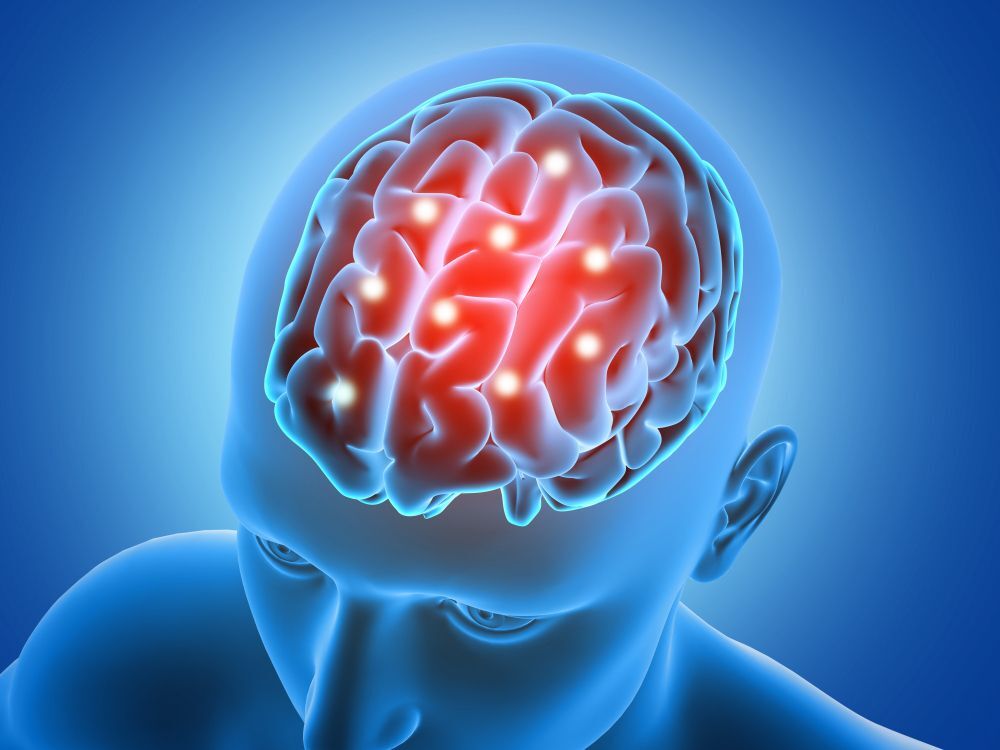 Traumatic Brain Injury, or TBI for short, is a sudden injury to the brain. The specific cause for this form of injury can vary depending on the case. But some of the most common causes include a blow, bump, or jolt to the head. That said, the blow or the bumps do not cause any form of open wound in this case. However, a TBI can also occur when an object penetrates the skull. This is a form of penetrating injury.
Now, depending on the specific cause, the symptoms of TBI can vary from mild to serious. The mind symptoms of TBI can include brief unconsciousness and change in mental state, while the more serious form of symptoms can include extended periods of unconsciousness or memory loss.
Following the definition, you should also be aware that there are Traumatic brain injury types. These TBIs can be categorized based on their injury and severity.
As we mentioned, the specific traumatic brain injury symptoms depend on causes, and there are a wide range of causes for this. These causes can range from simple bumps caused by falling on the road to injuries caused by explosive blasts or other combats. Keeping this in mind, the following are some of the key causes of traumatic brain injuries.
One of the most common forms of traumatic brain injury (TBI) is falling. The funny thing is that you don’t even have to fall from a high place to get TBI. You can fall from something as low as your bed to the ground, and you can still get a TBI. Or, if you are especially unlucky, just tripping on your legs and falling down the streets can cause TBI if you bump your head on the road.
Going from something silly to serious, another key traumatic brain injury caused is vehicle-related collisions. The number of vehicle-related accidents is really high, and if you are someone who has just suffered a crash, any injury or bump in the head can cause TBI on top of any other forms of related injuries.
Another common but sad traumatic brain injury causes is violence. Any form of violence, be it a gunshot near the head or simple punch/slap around the head, can lead to traumatic brain injury. In fact, it doesn’t even have to be a punch or slap; if you shake the head violently enough, it can easily lead to traumatic brain injury. This category causes any form of injury caused by penetration to the brain.
It’s not violence and accidents that can cause traumatic brain injuries. Sometimes, even being involved in sports can lead to brain injuries. If a football hits you in the head hard enough, it can easily develop into a TBI. Let’s not even mention other hard-impact sports, such as martial arts and boxing.
Near the end of the causes, let’s talk about one of the most violent causes of traumatic brain injury – blasts caused by various explosives. Of course, getting in the direct line of the blast is going to leave you with injuries, including the ones associated with the brain. However, even if you are just hit with the shock waves, it can shake your brain enough to cause injury. That said, the specifics of how it works are still being researched. This form of cause is mostly common among active duty officers and those who work around explosives.
While specific causes vary, the key point here is that if you are hit in the head hard enough or shaken hard enough, then it can lead to traumatic brain injury.
When discussing the various aspects of TBI, we do not need to limit ourselves to the causes. Rather, other than looking only at the causes, we can also look at some of the key departments involved in the recovery of this form of injury. Now, you do have to note that it takes more than one department to completely take care of the traumatic brain injury. But what are these departments? The departments which are directly involved in the recovery of Traumatic Brain Injury (TBI) include:
This department deals with specialized surgery and advanced care in the brain, spine and nervous system. Needless to say, since one of the key focuses of this type of surgery is the brain, it is one of the direct departments associated with the recovery of TBI. The key services you can get in this branch of surgery include:
Another one of the key departments which is directly associated with the recovery of TBI is the ICU department. This department essentially provides care for critically ill patients and is equipped with advanced and modern technology. Since you do have a chance to become critically ill if you have a TBI, you may need the aid of this department. Some of the key services offered by the ICU department at Venus include:
The final department which is associated with the treatment and recovery of TBI is the radiology department, which essentially provides you with detailed imaging services. This includes various aspects such as:
Knowing the departments involved in the recovery of TBI is indeed helpful. But wouldn’t it be more helpful if you knew the best doctors who are the best for the treatment of Traumatic Brain Injury? Well Venus Hospital has some of the best doctors for the treatment of your TBI. Following is the basic overview of these doctors, including their qualifications and experience.
 Qualification
Dr. Pravin Bahadur Basnet is a senior radiologist with expertise in medical imaging. With more than a decade of expertise and experience, he specializes in interpreting complex radiological scans to aid in accurate diagnosis and treatment planning when you have TBI or any other issues requiring the aid of radiology. His proficiency in various imaging techniques ensures precise and reliable results for patients.

Dr. Binit Kumar Jha is a neurosurgeon who has a strong focus on brain and spinal cord disorders, including but not limited to the treatment of TBI. He has an MCh in neurosurgery from Bir Hospital and has expertise in treating Traumatic Brain Injury, Spinal Injuries, and Neurological disorders. The precision and dedication of Dr Binit Kumar Jha to his patients make him an integral figure in neurosurgical treatments.

Dr Nawaraj Ranabhat is a young and skilled radiologist with training in modern imaging techniques. Although he is still in the early stages of his career, he is one of the best doctors in the field of radiology and his expertise in radio diagnosis allows you to have timely diagnosis. Needless to say, he plays a very important role in supporting various medical departments through his expertise in imaging analysis.
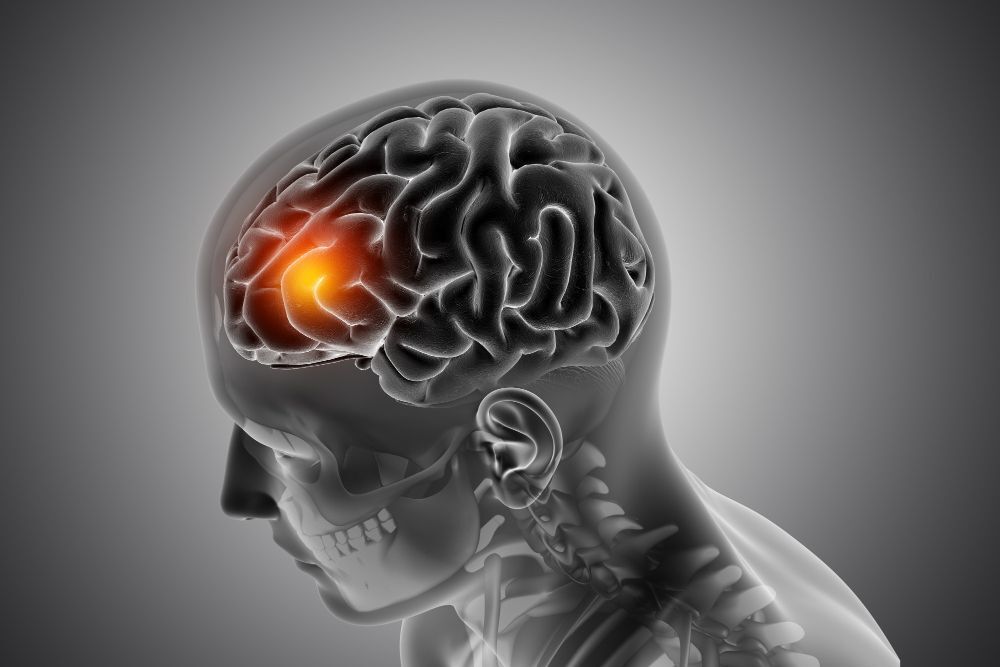 So, after discussing the key types and causes of TBI, let’s finally discuss the core aspect of the topic- Traumatic Brain Injury Symptoms. The thing here is that there are many symptoms, and different symptoms can result from different causes and show different types of TBI. Therefore, the best idea is to look at the symptoms on a case-by-case basis. However, we can provide you with a list of symptoms based on whether they are mild traumatic brain injury symptoms or severe traumatic brain injury symptoms. So, what are these symptoms? They include:
As mentioned prior, the specific symptoms depend on a case by case basis. Therefore, the symptoms that you may face might not be what others face. That said, you do have to note that even the mild symptoms can change how you feel, behave, think, and sleep. Some of these symptoms include:
Now, do note that these symptoms do get better over time on their own as your brain heals. However, you may feel like someone you are not for the few weeks following the brain injury. If you feel any of these traumatic brain injury symptoms, the best option for you is to contact an expert to quicken recovery.
While moderate to severe traumatic brain injuries do have a different list of symptoms, they are not separate entities from mild traumatic brain injury. This set of traumatic brain injury symptoms occurs on top of the previous set, so you can experience the following symptoms on top of the ones from our previous list.
If you face any of these traumatic brain injury symptoms, contact an expert immediately since any delays here can result in permanent brain damage.
We hinted that children may also have TBI back when we discussed the causes (the slap and violent shaking part). The thing here is that while children can also have TBI, they often are not able to tell you how they feel since they either do not know the right words or are not able to express their pain well enough for us to figure out that they are suffering from TBI. That said, you can look out for its symptoms. Some of the key traumatic brain injury symptoms in babies include:
After looking at some of the key traumatic brain injury symptoms, you should already know that the best time is now. So, if you see any of the symptoms we mentioned prior, you should contact a doctor and visit them immediately. However, sometimes, the symptoms are not obvious and are rather hidden. But you can still see some tell-tale signs of this form of brain injury. First of all, you are exhausted- physically, mentally, and emotionally. Furthermore, you may not be able to communicate well and may even have dull senses. Alongside this, you may want to look out for the following indirect signs:
If you see the said issues, it may be a hidden sign of a traumatic brain injury. That said, you should also note that the symptoms we just mentioned don’t always point towards TBI. Regardless, they still are issues you should not ignore so you should contact a doctor regardless.
 Now, since you have reached this point, you may think that since it is a form of injury that can affect all, it affects everyone equally, right? Well, technically, you are right, but because of how not everybody lives the same way, some may be more prone to TBI than others. Some of those who are more likely to be affected by TBI than others include:
If you are in any of these categories, you increase your odds of suffering from TBI. Of course, you can be as careful as you want but still get a TBI from an unlucky fall or by someone who doesn’t know how to drive well. But still, being in the categories does increase your risk.
At this point, you should have realized that TBI is a serious issue, and it should not be taken lightly. The experts take it very seriously as well and warn you of their complications. Even if you are treated, if you do not give your brain time to heal, you can face severe traumatic brain injury complications. Some of the key complications you may face include:
Now, as you can see, these complications are invisible to the naked eye but are still severe. Therefore, when facing the consequences of TBI, always give your brain time to heal, even if doing it may feel counterintuitive at times.
Since we have come a bit past knowing the symptoms and causes, now let’s start this part of the blog by discussing the traumatic brain injury symptoms treatment. The thing here is that there is no universal form of treatment for TBI, and it all depends on your case. The good news here is that we can provide you with a general overview of how this issue is treated. Now, do note that while we discuss traumatic brain injury symptoms treatments, they are treated depending on how severe they are.
Now, if you have read to this point, you should already know that although mild TBI can cause lifelong impacts, they are still somewhat manageable. Therefore the treatment for mild TBI is primarily managing the symptoms and resting adequately. If you want to know the specifics, the following are some of the key ways for mild traumatic brain injury symptoms treatment.
Moderate or severe TBI is much more serious than mild TBI, and as a result, the measures taken to treat this form of TBI are rather drastic as well. Some of the key methods implemented in moderate to severe traumatic brain injury symptoms treatment include:
Before the treatment begins, the doctors first need to diagnose if you have it in the first place. The good news here is that there are multiple ways doctors diagnose the symptoms of TBI. Some of the key methods include:
If you have severe TBI, the doctors just ask you some key questions and conduct tests such as CT scans and MRIs to see your brain injury in these scans. The doctors might also use intracranial pressure to measure the swelling caused by the injury.
Furthermore, the experts also sometimes use the Glasgow coma scale to check the severity of the injury if you can still respond decently. It is a 15-point scale which essentially measures how you can move and follow instructions. The higher your score, the less severe the injury.
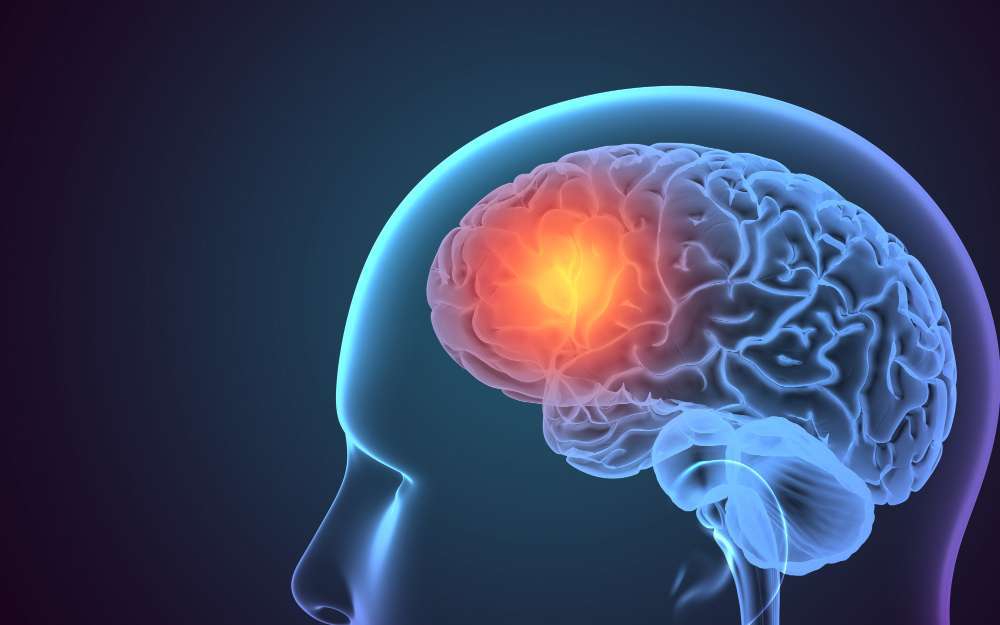 As we near the end of our blog, let’s discuss one final topic before we end: prevention of TBI. But the unfortunate thing here is that there is no sure-shot way to prevent this injury. As we mentioned earlier, a simple fall from your bed or tripping on your legs and falling on the street can cause this injury. But there are some steps you can take to minimize the chances of this occurring. Some of these key ways include:
While you do not eliminate the chances of getting a TBI, you can prevent the risk. And as you may have noticed the prevention tips are just for regular circumstances. If you are in the army, involved in martial arts and high-activity sports, or just someone who is involved in industrial workspace, the best you can do is be careful, as the risk of TBI is just part of the package.
Traumatic Brain Injury, or TBI for short, is a form of brain injury that is caused by a wide number of factors. Traumatic brain injury causes range from something as silly as falling from a low bed to being involved in war. Furthermore, it can also be caused by an abusive household, especially in children. Regardless of the reason, it is one of the most common yet serious forms of brain injury. Some of the traumatic brain injury symptoms long-term include dizziness and issues with senses and emotions. On top of this, you may also feel nauseous and vomit severely. The good news here is that these symptoms can be managed and their damage minimized. So, although you may face this injury at any time, with some carefulness and immediate attention from doctors, you should be fine, mostly.
In this blog, we provide you with a general overview of Traumatic Brain Injury or TBI. We hope you found this helpful. If you seek further insights on various other aspects of health, do check out some of our other blogs. And if you want the best care for TBI in Nepal, look no further than Venus Hospital, the best hospital in Nepal. Thank you for reading till the end.
The specific signs of TBI can depend on the cause and case, but five of the most common signs include:
Recovery from a TBI varies based on its severity. Mild TBIs often resolve with rest and time, while moderate to severe TBIs may require extensive rehabilitation and can lead to lasting effects.
Life after a TBI can involve challenges such as cognitive impairments, emotional changes, and physical disabilities. However, with appropriate rehabilitation and support, many individuals can regain independence and improve their quality of life.
Long-term symptoms may include chronic headaches, memory problems, mood swings, and difficulty concentrating. Some individuals may also experience sleep disturbances and sensitivity to light or noise.
Treatment depends on the TBI’s severity and may involve rest, medication for symptoms, and various forms of rehabilitation, such as physical, occupational, and speech therapy. Early intervention and a tailored treatment plan are crucial for optimal recovery.
After a TBI, it’s advisable to avoid activities that could lead to another head injury, such as contact sports or high-risk activities. Additionally, limiting screen time and avoiding environments with loud noises or bright lights can help reduce symptom exacerbation.
Symptoms of a head injury can appear immediately or may be delayed, sometimes emerging days or even weeks after the incident. It’s important to monitor for any changes in condition during this period.
The duration of TBI symptoms varies; mild cases often improve within a few weeks, while moderate to severe cases may have symptoms that persist for months or even years. Ongoing medical evaluation and rehabilitation are essential for managing and reducing these symptoms.