24*7 365 days
24*7 365 days
Acne is one of the most prevalent skin problems to impact numerous individuals at any era of life. Although it usually occurs during the teenage years, due to hormonal fluctuations, some adults still suffer from acne. It can be found on the face, chest, back and shoulders and is often a small cluster of pimples or can be quite severe and painful enough to interfere with one's self-confidence and ability to participate normally in daily life.
Acne occurs when a pore gets plugged with oil, dead skin cells and bacteria that can cause the pore to become inflamed. Various factors – hormones, genetics, stress and some skin care products can also provoke or aggravate acne. After you've determined the cause and the various types of acne, you'll be able to find the proper treatment.
Here, we discuss the causes of acne, what are the various types of acne skin troubles, what types of treatments you have for acne and how some simple tips can help you manage your breakouts. A professional acne treatment will also be recommended depending on when you should go see a doctor.
Blocked pores caused by excess oil (sebum), dead skin cells, and bacteria are the main reason acne develops. This can cause all kinds of blemishes: whiteheads, blackheads, pimples, and deeper and painful lumps under the skin. Acne primarily develops on the face, chest, back and shoulders, as these areas contain an increased number of oil producing glands.
While acne isn't a serious health disease, it might influence your confidence level and emotional state, particularly when acne keeps occurring or when it's severe. Sometimes the skin can have permanent scars and dark marks due to the non-treatment of acne. The positive side to that is there are a lot of effective treatment options out there. If you follow a proper skincare regimen and treatment, most individuals can get a handle on acne and have a better and clearer skin.
Your skin contains tiny openings called hair follicles, which can become clogged with excess oil, dead skin cells, and bacteria. If a pore is blocked it can cause whiteheads, blackheads, pimples or deeper skin lumps which cause pain. Conditions such as acne are very prevalent but there are many reasons for it.
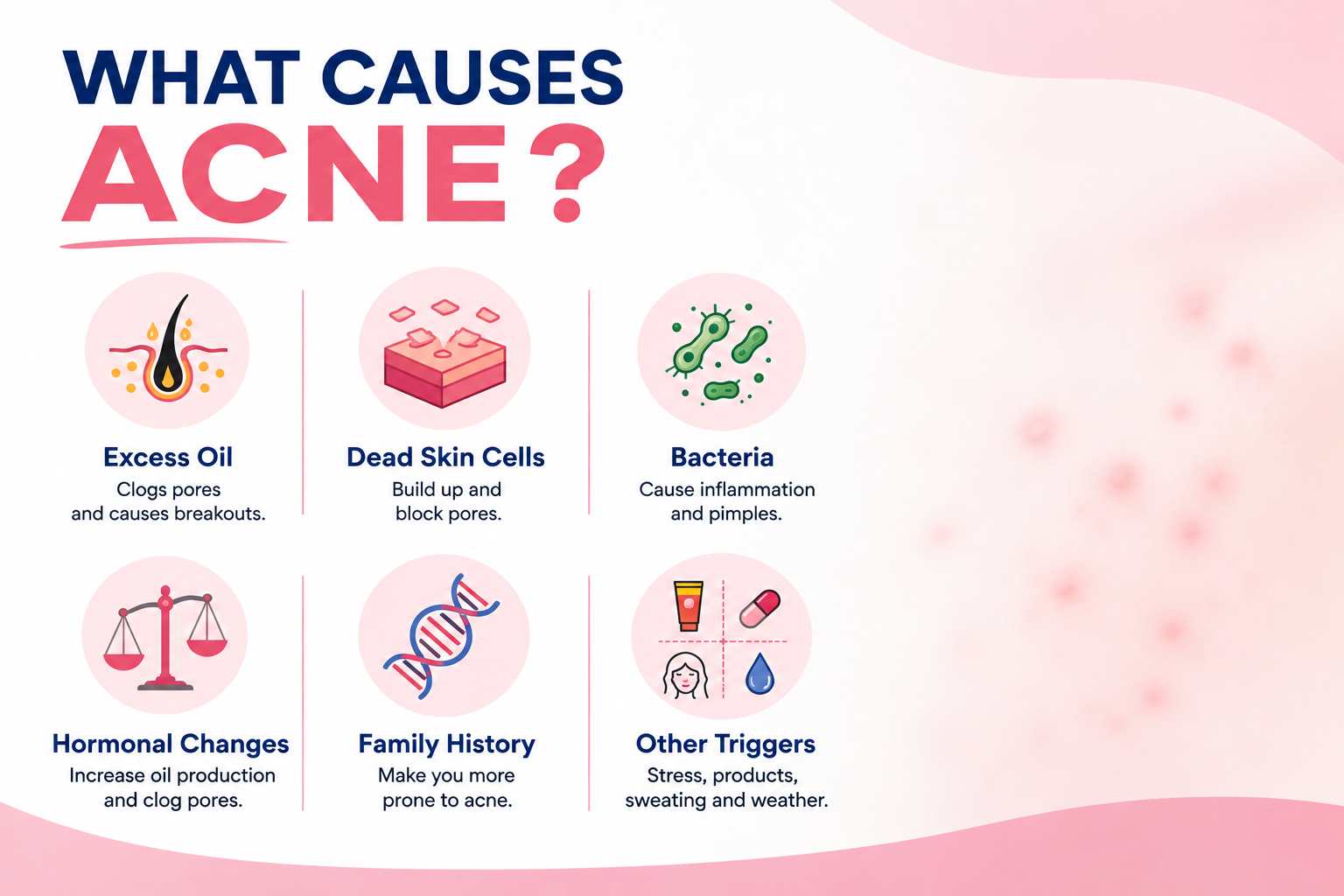
Acne can't be triggered by just one reason. Many times, multiple factors combine to contribute to acne breakouts or give them an opportunity to grow worse. There can be a number of causes, including hormonal shifts, hypersecretion, genetics, bacteria, and lifestyle and environment. By recognizing the causes, you will be better able to effectively treat the acne problem and pick a right skin care product.
Your skin has a naturally occurring oil called sebum, which promotes healthy skin and helps protect it. Your sebum-producing skin can, however, become too abundant and combine with dead skin cells to clog your pores. The clogged pores can then turn into a whitehead, blackhead or pimple.
Every second, your skin will lose some of its skin cells and replace them with new ones. When these dead skin cells don't shed the right way, they can start to accumulate within the pores. Combine them with excess oil and they cause blockages, causing chances of acne.
There's a group of bacteria that naturally lives on your skin which is usually harmless, called Cutibacterium acnes. But if it happens that the pores become plugged, the bacteria can continue to multiply in it, causing inflammation, redness, swelling and painful pimples.
Acne is triggered by hormonal changes in 1 of the most common causes. They can cause the pores to produce more oil and are more likely to be clogged. That's why acne is the common problem that occurs in the puberty age. Hormonal fluctuations during pregnancy, period, menopause or from certain illnesses can also cause acne.
Acne can also be caused by genes. You may be more genetically likely to get acne if either of your parents suffered from it. Others have naturally oilier skins or their blood flow the oil into the skin is heavier.
These factors can affect acne either directly or indirectly by exacerbating existing acne or causing new acne outbreaks. Common triggers include stress, some medications, oily or pore clogging skin care products, tight-fitting clothing or helmets rubbing against the skin, sweating and hot/humid weather. Knowing and avoiding your personal triggers and influencing factors can help decrease acne outbreaks.
Acne may manifest as either a few individual blocked pores or deeper hard to reach lumps under the skin which are painful. There are types which are not severe, and can be controlled by following a proper skin care routine, and there are others that can be severe and burning and may have to be treated medically so that there is not scarring. Understanding what kind of acne you have can help you select a treatment that's right for you and know when to seek medical help.
Whiteheads are the small, closed plugs that develop when your skin pores become clogged with excess oil, dead skin cells and bacteria. The bump does not have a pore, which prevents its contents from being contacted with oxygen, resulting in a white or flesh-colored appearance. Whiteheads are a less severe type of acne, and though they may develop due to poor skin care and acne care, they are usually treatable within the limits of good skincare practices and appropriate acne treatments.
Blackheads result from one or more pores becoming an open clog, filled with oil and dead skin cells. They are dark-colored, but not dirty. It happens on the other hand when air-oxidation takes place of the material within the pore. Blackheads are also a milder form of acne and can be treated with OTC products.
Papules are slightly raised, red, and swollen lesions that may be feeling or painful to touch. They are not filled with pus as are pustules. Raised spots will form when the pores are backed up, and do not squeeze them as they will cause inflammation to increase.
Pustules are red, inflamed pimples that have a white, yellow center that is filled with pus. One of the most obvious and well known types of acne. The risk of infection, scarring and dark spots is increased by picking or popping pustules.
Nodules are large and hard, and painful; they form deep in the skin. They are developed when intense skin irritation occurs in deeper layers of the skin. Medical treatment of nodules is typically needed to prevent long term scars, and treatment with over-the-counter medications generally fails to provide relief.
Cystic acne is the worst form of acne. It develops forms, which are large, painful, pus-filled lumps that are far under the skin and may be hard to treat without medical intervention. Medical treatment needs to occur at an early stage as permanent scarring may result from cystic acne.
The top acne treatment is determined by the severity and type of acne that you have. While some acne is just a nuisance and can be dealt with using over-the-counter topical products and a solid skin care plan, moderate or severe acne may need medical therapy. Early detection of a proper treatment can minimize breakouts, prevent scars and keep your skin healthy
Over-the-counter products may work good on mild acne, or whiteheads, blackheads, and a few pimples. Benzoyl peroxide, salicylic acid, and adapalene are all ingredients that can help get rid of excess oil, clear pores and stop new breakouts. Twice-daily face washing with a mild cleanser and a use of a non-comedogenic skin care product will also help to keep your pores clear and to positively affect the skin over time.
If your acne is widespread, painful, or causing scars, it is important to see a doctor or dermatologist. Treatment can involve creams or gels that you buy over the counter, medical antibiotics taken by mouth, medical use of hormones or medical isotretinoin in very severe acne cases. The best treatment will depend on the signs and symptoms of the allergies, the person's skin type and health.
In addition to medical treatments, there are other healthy skin care tips that can control acne and prevent future breakouts.
Remember, acne treatment is going to take a while. However, it can take up to 6 to 8 weeks before you notice any improvement from most treatments, so treatment is most effective if it is used regularly, as directed by your doctor.
There are many who can come by with a basic treatment and routine and end up successfully coping with the mildest of acnes. But if you have certain types of acne, you'll need to seek professional help and avoid any damaging side effects like scars or constant outbreaks. Early treatment can often yield better results.
If you experience any of these symptoms, it is important to see a doctor:
A healthcare provider can find the underlying cause of acne and suggest a customized treatment plan. Early diagnosis and treatment will help control pimples better, as well as decrease the possibility of permanent scarring and enhancing long term skin health.
Dr. Manisha Koirala
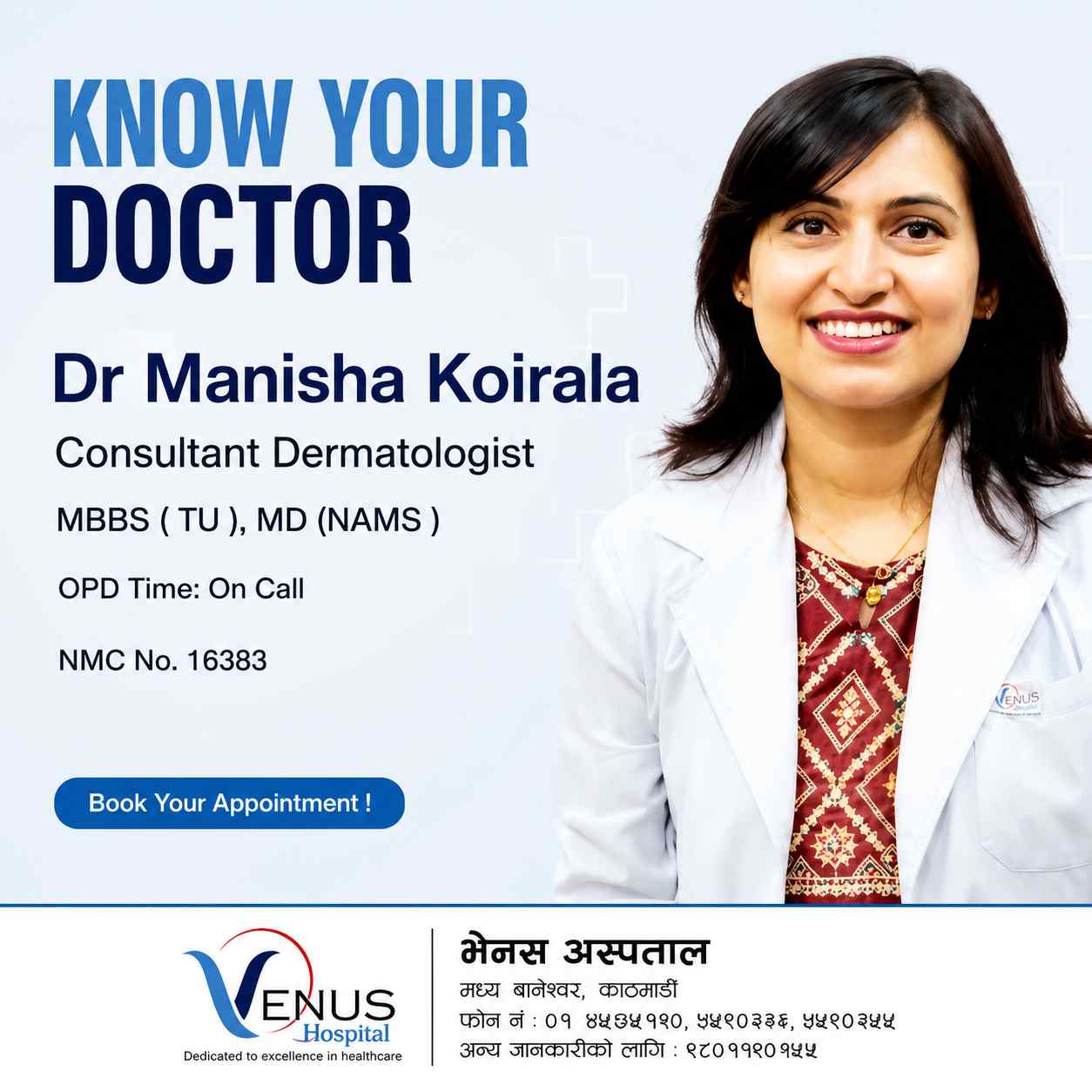
Key qualifications: MBBS (TU), MD (NAMS)
Specialization: Dermatology and Venereology
NMC Number: 16383
OPD: On Call
Dr. Manisha Koirala is a Consultant Dermatologist and Venereologist at Venus Hospital. She provides professional dermatological consultation and care for patients with various skin-related concerns, including acne and other common skin conditions. Her medical qualifications in dermatology and venereology, Dr. Koirala focuses on evaluating skin conditions and helping patients identify suitable treatment approaches based on their individual needs.
She is registered with the Nepal Medical Council (NMC No. 16383) and is available for consultation at Venus Hospital. Patients experiencing persistent, painful, severe, or scarring acne can seek professional dermatological advice for appropriate evaluation and treatment.
Acne is a normal skin condition, but can usually be controlled if you know how and what to do. By learning about the causes of acne, the various types of acne and the treatment you can find, you will be able to not only reduce the breakouts that you will experience, but also minimise the risk of scarring. If acne will not go away or gets worse: Early medical advice can help you get healthier skin.
At Venus Hospital, we offer custom formulation diagnosis and treatment that can help you to feel confident with your skin. Our experienced healthcare team uses their knowledge to find the best way to treat your skin according to your needs. From acne breakouts to more severe conditions, we are here to help you along the way to healthier, clearer skin.
For more information about our available medical services and specialist care, visit our Department page.
Also Read:
Women’s Health Checklist – Must-Have Screenings List
Top 8 Tips for Healthy Eating – Simple Habits for a Better Lifestyle
IVF Success Rates in Nepal: Conceive Healthy Baby With IVF
IUI Treatment in Nepal: Everything Couples Need to Know
When a hair follicle containing the excess oil, skin cells that are shed by the skin, and bacteria get clogged, this results in acne. Other things can increase the risk for acne, as well, including hormones, genetics and lifestyle. It is not all of the factors which affect acne individually but are a mix of factors that lead to acne in most cases.
Adults CAN have acne even if they didn't have it when they were a teenager. Some medications, stress, hormonal changes, and genetics are common causes of adult acne. Adult acne can be treated and maintained well with proper care in skin and treatment.
Yes, popping or squeezing pimples can make the acne problem imbuke more. It may drive bacteria deeper into the skin, exacerbate pain and swelling and cause scarring or dark patches. Avoid squeezing pimples as it is best to let them heal by itself.
Usually visible results of most acne treatments will not be seen for another 6-8 weeks. Depending on the nature and severity of their acne, some individuals may require more time. Stick with your treatment and your doctor's suggestions will help you get the best results from it.
If acne is severe, painful, is scarring or not improving after 1-2 weeks of treatment you should visit a doctor. A physician can look at your skin to determine which treatment will work best for your skin problem. Early treatment serves to avoid any future scarring of skin, and to also improve the look and feel of the skin with treatment.