24*7 365 days
24*7 365 days

In Vitro Fertilization, or IVF, is an advanced assisted reproductive treatment procedure used to treat infertility while ensuring successful pregnancy. It includes the collection and combination of the egg with the sperm in the laboratory and then implanting the healthiest among the embryos into the uterus. The success rate of IVF is determined by several factors, including lifestyle and diet, since the procedure is physically and emotionally demanding.
A healthy diet is essential during the In Vitro Fertilization cycle. It promotes hormonal balance, improves egg and sperm quality, promotes embryo growth, and allows the body to respond positively to fertility treatment. Proper hydration, stress management, and following medical advice are equally crucial for enhancing IVF success.
In this blog, we explore the important diet tips and lifestyle recommendations that increase the possibilities of successful IVF treatment. We will also explain the importance of a balanced diet, the avoidance of unhealthy habits, and a lifestyle that can make successful IVF treatments, along with other tips for increasing the possibility of a successful pregnancy.
In vitro fertilization (IVF) is an assisted reproductive technology used to achieve a successful pregnancy. This procedure involves the collection of and combination of the egg with the sperm in the laboratory and then implanting the healthiest among the embryos into the uterus. After the process of fertilization, the embryo that is found to be healthy is then implanted into the uterus for pregnancy.
The IVF journey is a physical and emotional process that needs dedication and medical attention. Although it needs several steps for success, every step plays a vital role in increasing the probability of conception. It is recommended for couples having issues in pregnancy due to fertility changes and conditions affecting reproductive health.
Throughout the journey of IVF, healthy living and following medical instructions can significantly increase its rate of success. Proper diet, stress management, and medical attention are essential for improving fertility and having a trouble-free procedure.
As a healthy and balanced diet plays a crucial role in the success of the IVF process, diet tips can play a significant role in promoting the intake of a healthy and nutrient-rich diet. The diet affects the quality of sperm, eggs, and embryos, helping in managing inflammation and balancing hormones. Also, it enhances the response of the body towards fertility treatment. Below are the important diet tips and diet plans:
Providing healthy diet recommendations during IVF is important to obtain maximum success rates. By consuming nutritious foods, being well-hydrated, and ensuring a balanced lifestyle, you can significantly improve your chances of a successful pregnancy.
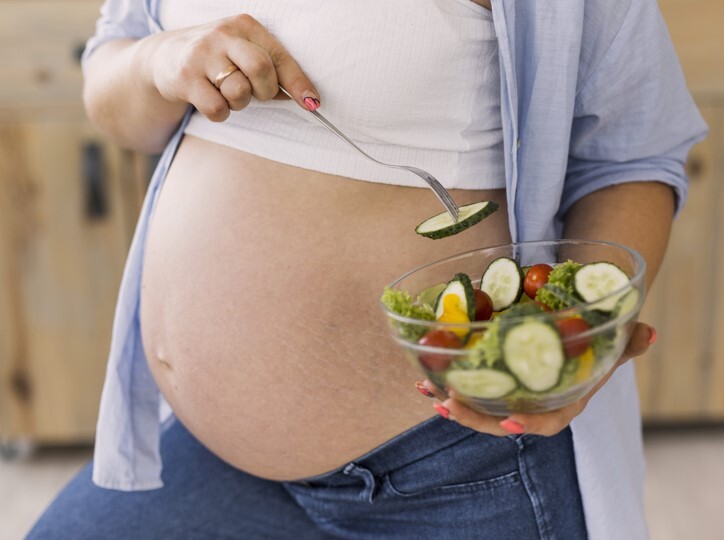
The success of IVF procedures does not only depend upon medical intervention, but it also depends on healthy lifestyle choices that can directly or indirectly impact reproductive health. Among many lifestyle choices, a healthy, balanced diet plays a crucial role in ensuring the success of the process. Intake of healthy diets and nutrients supports reproductive health by improving and maintaining hormonal quality to respond to fertility treatment procedures. Here are the 12 diet tips that you can incorporate for success in your IVF journey:
Intake of leafy green vegetables that are rich in antioxidants protects against oxidative stress. Vegetables such as spinach, Swiss chard, and kale are dense in folate and other vital nutrients that help in egg development and prevent pregnancy issues.
Oily fish contain omega-3 fatty acids that help to regulate hormones in ovulation and sperm production. Salmon, sardines, and mackerel are some of the oily fish that help reduce inflammation and hormonal imbalance and enhance fertility by helping to increase the health of sperm and eggs.
Eggs are a rich source of protein that helps in the healthy growth of eggs in females. The presence of minerals such as Choline in the egg promotes cell and fetal brain development. They also contain vitamin D, which plays a crucial role in the regulation of hormones.
Sweet potatoes are loaded with beta-carotene and vitamin A, which promote the development of eggs and sperm, the growth of cells, and the production of hormones. It also contains carbohydrates that give adequate energy to the body. Also, the presence of fibre in sweet potatoes helps in digestion and maintaining blood sugar levels, which is crucial for hormonal balance and fertility.
Berries are rich in antioxidants that protect eggs and sperm from oxidative damage. During the IVF process, consuming berries rich in vitamin C, such as strawberries, raspberries, and blueberries, boosts immunity while supporting reproductive health.
Avocados contain monounsaturated fats that help in healthy hormonal balance and reproductive health. The folate, potassium, and fiber content improves heart health, aids in digestion, and regulates blood sugar levels. Consuming avocados during pregnancy provides nutrients to the body that assist in the proper development of the fetus.
Bananas are a good source of potassium that helps in keeping fluid balance in the body. The rich vitamin B6 content in bananas contributes to regulating the hormones. During the IVF process, consuming bananas helps in improving the mood while reducing stress levels. The adequate nutrient level makes banana one of the must-have foods that promote both mental and physical health during the IVF treatment journey.
Oysters are a natural source of minerals and zinc that improve hormone production, producing healthy sperm quality and promoting healthy evolution. It also incorporates nutrients that promote the immune system and cell health to support the IVF treatment procedures.
Whole grains such as brown rice, quinoa, oats, and whole-wheat bread contain essential minerals, vitamins, and fiber to regulate healthy blood sugar and support hormonal balance. Whole grain stabilizes the body’s energy, making it beneficial for health during IVF procedures.
Legumes like beans, chickpeas, and lentils contain high quantities of protein, fiber, and folate. They are a good source of iron, which is essential for the transportation of oxygen throughout the body. These nutrients and minerals support reproductive health by promoting the health of sperm and eggs, regulating blood sugar levels, and regulating hormones.
Nuts and seeds such as almonds, walnuts, flaxseeds, and chia seeds are rich in fats, protein, and minerals that help during the pregnancy period. The content of nutrients and minerals helps to maintain hormonal balance by reducing inflammation and promoting the health of sperm and eggs. They further improve blood flow, aiding in the implantation process and increasing the chance of IVF success.
Yogurt contains healthy fats, probiotics, calcium, and proteins that are good for boosting the immune system and gut health and maintaining hormonal balance. Supporting the growth and repair of cells, yogurt aids in improving fertility as it improves both the health of eggs and sperm. Furthermore, it also improves digestive health by contributing to a healthy gut, which is essential for fertility.
 In Vitro Fertilization(IVF) journey is a delicate procedure that needs intensive care and improvement in lifestyle. While the adoption of a healthy habit plays a crucial role in the increment in the success rate of the procedure, some factors can negatively impact the procedure. Unhealthy lifestyles can impact fertility, successful conception, embryo implantation procedures, and overall reproductive health.
Here are some key things to avoid during your IVF journey:
While it is important to embrace a healthy lifestyle, it is also important to avoid unhealthy habits. Focus on healthy lifestyles improves physical and mental health. Moreover, the following lifestyle tips can be adapted for IVF procedure success:
Adopting healthy lifestyles while avoiding risky factors is essential to improving the success of IVF procedures. By taking adequate supplements, engaging in physical activities, and consulting with fertility experts, one can meet suitable conditions for conception.
Also Read:
 Venus Hospital is among the best IVF centers, renowned for advanced treatments with exceptional patient care and a high success rate. The presence of highly experienced fertility experts, the use of modern technologies, and a patient-centered approach make Venus Hospital one of the best IVF treatment centers in Nepal.
Offering a wide range of reproductive technology and fertility treatments such as IVF, IUI, egg freezing, and genetic screening, Venus Hospital has become the first choice for reproductive treatment in Nepal. Furthermore, below are some of the key reasons that make Venus Hospital a leading IVF center in Nepal:
Venus Hospital is committed to assisting couples to achieve their parenthood dreams by involving highly expert fertility experts and health experts along with the latest technologies and a patient-first approach.
IVF procedure has proven to be one of the most effective and reliable assisted reproductive technologies to treat infertility. It has been fulfilling the parenthood dream of couples facing fertility issues by using innovative medical approaches, patient-centered care, and expert skills. Through the integration of modern technology and adopting a healthy lifestyle, IVF success can be enhanced.
Consuming a nutritious and healthy diet while also adopting healthy habits further increases the chance of IVF success. While focusing on a healthy diet and habits, you must also avoid unhealthy habits and foods that affect your reproductive health and the treatment process.
In this blog, we have provided you with information about IVF treatment and the best diet for improving its success rate. If you want to know more about any other health condition and the best treatment for it, visit our other blogs. Also, visit Venus Hospital for the best IVF consultation and procedure in Nepal.
Other Related Blog Posts:
To increase the success rate of the IVF procedure, it is recommended to adopt a healthy lifestyle and habits while following consultation with the fertility experts. Consuming a diet that is rich in nutrients, vitamins, and minerals is essential to maintaining hormonal balance. Also, avoiding harmful habits and diet is crucial since it hampers fertility and hormonal balance.
Preparing the body for IVF procedures involves various steps to increase its chance of success. One can start by modifying the food habit by consuming a healthy and balanced diet. Maintaining a balanced body weight and participating in moderate physical activities can also be crucial. Similarly, consulting with qualified experts performing recommended medical tests and following prescribed supplements is important as well.
Yes, drinking adequate water hydrates the body, which helps in maintaining a healthy uterine lining for embryo implantation. Drinking enough water also helps in balancing hormones ensuring proper body function during the IVF procedure. Also, hydration helps in improving blood circulation aiding in supplying nutrients to reproductive organs.
No, alcohol consumption must be avoided during the IVF procedure. Consumption of alcohol disrupts the hormonal balance and affects the quality of eggs and sperm. This hormonal imbalance leads to a reduction in the chance of fertilization and implantation of the embryo. Hence, it is recommended to avoid consuming alcohol during the treatment process and well as during the pregnancy.
The 2-week wait for IVF refers to the timeline between the embryo transfer date and pregnancy testing date following the procedure. During this period, the fertilized embryo is implanted in the uterus. Following the 2 weeks after the implantation, the pregnancy test is conducted to ensure that the procedure is successful.
The best time to start IVF procedure is during the late 30s or 40s. The lower the age, there increases the chance of success. Besides age, various conditions such as fertility issues, mental-emotional readiness, and other health factors might determine the best time to start.
Fruits that are high in nutrients, antioxidants, vitamins, potassium, and fiber, such as berries, bananas, pomegranates, apples, and oranges, can be consumed after embryo transfer. Consuming these fruits in the diet creates hormonal balance while also contributing to physical and mental well-being during the embryo implantation or the entire IVF process.