24*7 365 days
24*7 365 days
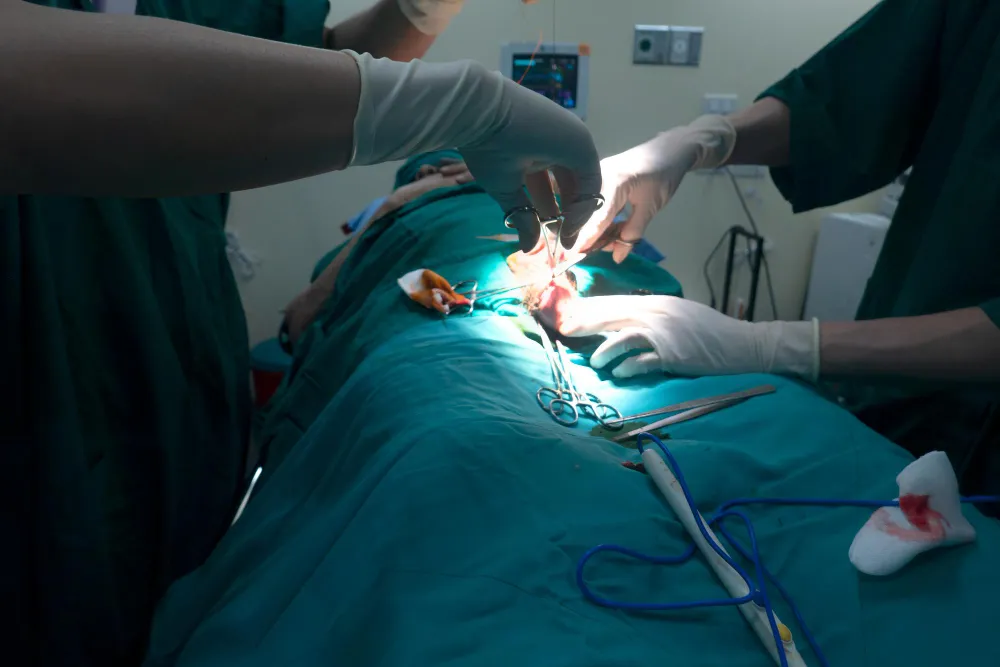
The world of medicine is constantly changing all across the world, and its ripples can be felt in Nepal as well. Over the past few years, laparoscopic surgeries have gotten more popular, and for very good reasons. Among the many forms of laparoscopic surgery trending, gynecologic laparoscopic surgery in Nepal is a key form of trending surgery. But unless you are someone who stays updated with the medical news or someone who has gone through this specific surgery, you may not even be aware of what this surgery is. So, what is gynecologic laparoscopic surgery? What are the reasons for using this surgery? And what is its process?
In this blog, we discuss what gynecologic laparoscopic surgery is, its process, its risks, and more. So, with this in mind, let’s get started!
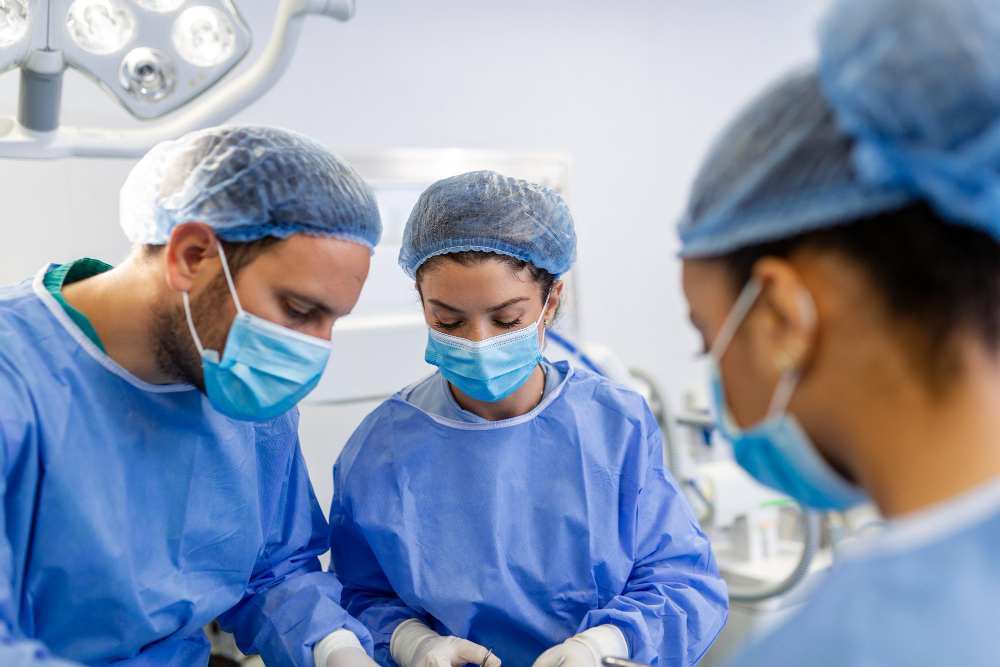 Laparoscopy is a form of minimally invasive surgery where the surgeon performs the procedure through small cuts and inserting a laparoscope. In this form of surgery, the surgeons insert the laparoscope with another device within the female pelvic cavity to inspect symptoms such as pelvic pain, abnormal bleeding, or infertility. Furthermore, this surgery is also used to address conditions such as endometriosis, ovarian cysts, fibroids, and pelvic inflammatory diseases.
During this surgery, the doctors shall explain to you why they are recommending this form of surgery, along with the benefits and potential risks involved. The experts also inform you regarding the process before, during, and after the procedure.
After knowing what gynecologic laparoscopic surgery is, some of you may wonder about the reasons for performing this surgery. Well, there are many reasons why this surgery is performed. Some of the key reasons include:
These are just some of the key reasons for using gynecologic laparoscopic surgery. Besides the ones we mentioned here, the doctors may perform this surgery on other pelvic conditions depending on your circumstances.
The specific preparation depends on the type of surgery you have. However, in general, you may need imaging tests. Additionally, your doctors might suggest fasting or an enema. In general, the procedure is completed within a day, and you can go home on the same day. However, sometimes, you may need to stay in the hospital overnight. Your surgeon shall inform you regarding this after the surgery. Therefore, you should be prepared to stay overnight in the hospital before you begin the procedure.
Furthermore, you should also be prepared to go to sleep as this procedure is generally performed under general anesthesia. Because you will be administered general anesthesia, you also need to stop the intake of food six hours before the procedure. That said, you can drink water up to six hours before the procedure.
Once you arrive at the hospital, a nurse shall test your urine to ensure that you are not pregnant or have any other conditions that can cause complications. You may also be asked to wear compression stockings to prevent blood clots from forming.
These are the general aspects to consider and be prepared for pre-surgery.
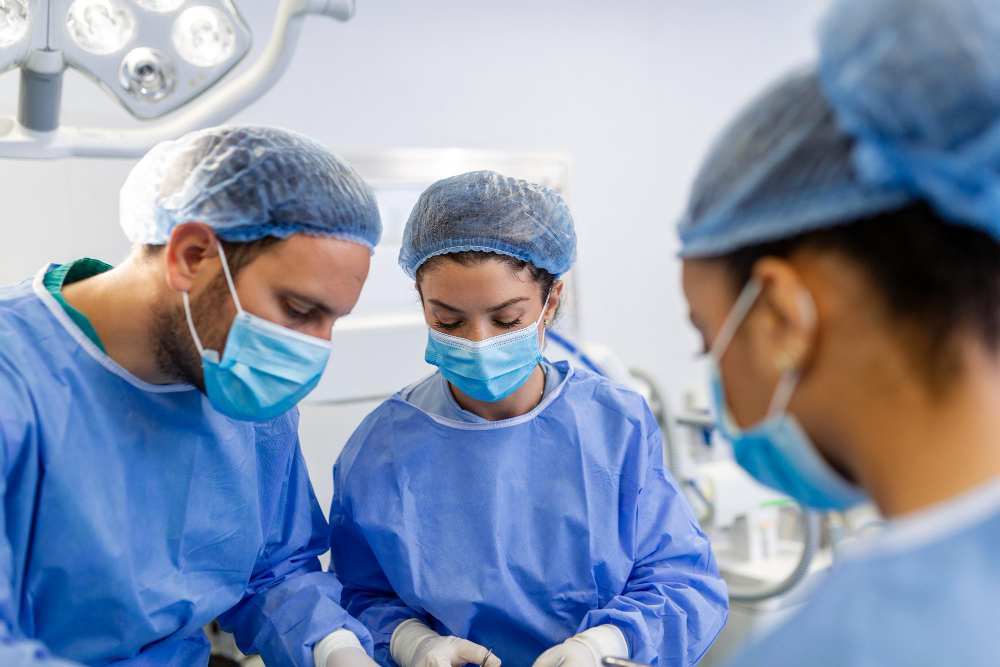 After being prepared for this surgery, the next step is to go through the surgery itself. While the specific steps involved in the surgery vary, there are some key steps that the experts follow in most circumstances. These key steps include the following:
As mentioned previously, before the surgery begins, the experts administer you with general anesthesia. This anesthesia essentially makes you unconscious for a specific duration of time and ensures a pain-free experience. In many cases, you can go home on the same day.
After making you unconscious, the experts insert a small tube to collect your urine during the procedure. This ensures that your bladder is empty, ensuring that you can avoid complications related to bladder pressure.
Once the bladder is cleared, a small needle is used to inject carbon dioxide inside your abdomen. The gas inflates the abdominal cavity and pushes the abdominal wall away from the organs to create a clear working space. It also reduces the risk of injuries to other organs.
Following the process of gas insertion, the experts then make a small incision in your navel area to insert the laparoscope. A laparoscope is essentially a small, thin tube with a camera that projects the images into a monitor, allowing the doctors to get a clear view of the organs and examine them closely.
This is where the procedure deviates depending on the procedure type. If the procedure is for diagnostic purposes, the surgeons view the images on a monitor, assess your organs, and conclude the process.
On the other hand, if the procedure is surgical, the surgeons make additional small incisions to insert other surgical instruments. Then, they perform the necessary surgery using the tools with a laparoscope guiding the process.
After the process is done, all the surgical instruments are removed, and the incision is closed. Then, you are bandaged to protect the surgical sites and moved to a recovery area to monitor before being discharged.
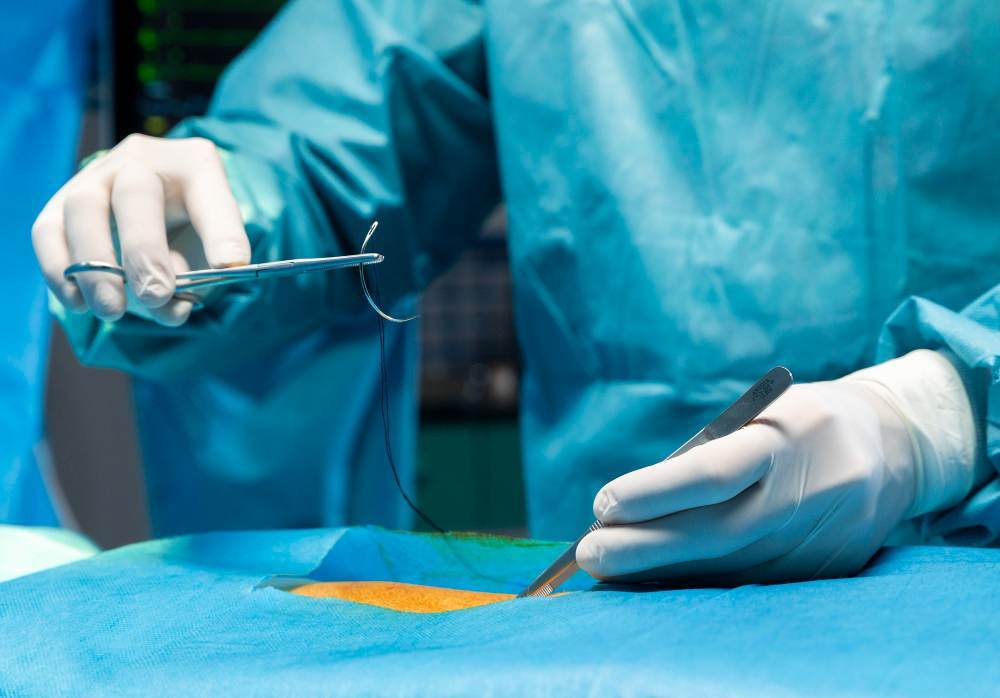 After the procedure, you need to rest until the anesthesia wears off. Although you might feel some discomfort, it wears off with time. Furthermore, the doctors also provide you with pain relief. If the procedure was just for diagnostics, you can usually go home after a few hours once you feel ready. However, you will need someone to drive you home and stay with you for the first 24 hours. On the other hand, if the surgery was for treatment, you might need to stay at the hospital overnight. Before you leave, the nurse shall provide you with instructions for wound care and might even schedule follow-up appointments.
The general anesthesia might make you feel groggy or less coordinated for the first 24 hours. Therefore, you should avoid driving, drinking, operating machinery, or making major decisions during this time. Take some time to rest.
As mentioned earlier, regardless of whether the surgery is assessment-based, you shall need to rest for some time. The difference lies in the rest duration. For diagnostic or minor procedures, you can return to normal activities within three or four days. However, if the treatment is major, you might need to rest for two or three weeks.
Furthermore, you may also feel some form of pain or discomfort. The good news here is that the hospital provides you with painkillers or over-the-counter options like paracetamol or ibuprofen. You may also experience spotting or light bleeding. If you face these symptoms, we recommend you use sanitary pads until it stops. We also recommend you move around regularly to avoid blood clots, even if you’re resting. Your doctor might suggest compression stockings or blood-thinning injections.
Another key aspect to consider is to wait 24 hours after anesthesia before driving. Ensure you can drive safely and comfortably without pain.
After a gynecologic laparoscopy, you might experience some temporary side effects. Some of these side effects include:
Along with these side effects, there is also a small risk of additional complications. Some of the most common potential complications include:
Do note that your surgeon shall discuss these risks and may even take special precautions. If complications arise during mid-surgery, the surgeons may need to switch from laparoscopic surgery to open surgery.
 The specific cost of gynecologic laparoscopic surgery depends on your treatment. However, at Venus Hospital, we offer you affordable gynecologic laparoscopic surgery. The cost of gynecologic laparoscopic surgery ranges between Npr 80,000 to Npr 1,50,000. This price range covers standard medical fees and hospital charges, but it may vary depending on your specific needs and any additional services.
We are committed to providing transparent pricing and will discuss the total cost with you before the procedure. If you have any concerns about affordability, please consult with us to explore available options. For further details regarding the cost of gynecologic laparoscopic surgery in nepal and other laparoscopic surgeries, please refer to the table below:
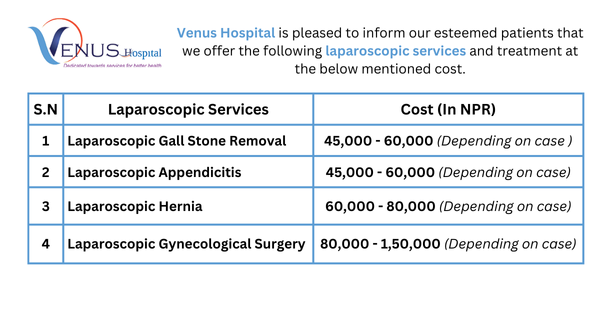 Consult For Laparoscopic Gynecologic Surgery in Nepal
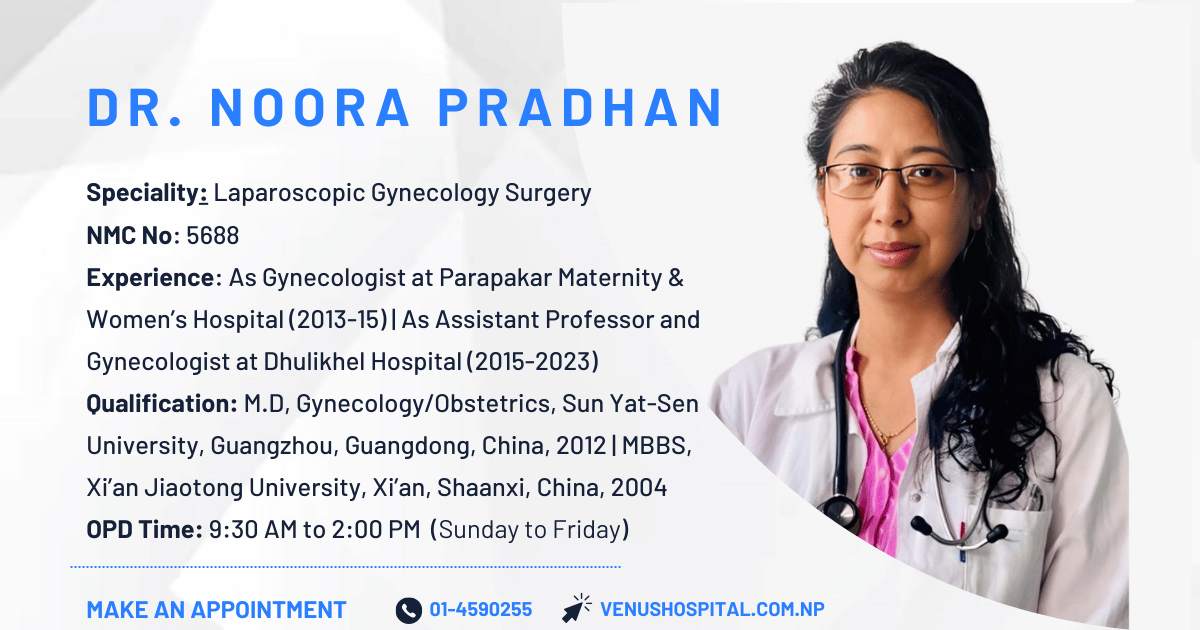
 If you are someone who requires this procedure, please do let us know. Dr. Noora Pradhan conducts our Gynecologic Laparoscopy Surgery. She specializes in laparoscopic gynecology surgery and has experience as a gynecologist at Parapakar Maternity & Women’s Hospital, as an Assistant Professor and Gynecologist at Dhulikhel Hospital, and is qualified as an M.D, Gynecology/Obstetrics, Sun Yat-Sen University, Guangzhou, Guangdong, China, 2012. Furthermore, she also has qualifications from MBBS Xi’an Jiaotong University, Xi’an, Shaanxi, China, 2004. If you want to contact her, please visit our OPD between 9:30 AM to 2:00 PM from Sunday to Friday. Moreover, if you want to know more about her profile click here.
Key Qualifications:
Experience:
Dr. Noora Pradhan is a well-skilled Gynecologist having a decade of professional experience in women’s health fields. She obtained her MD in Gynecology and Obstetrics from Sun Yat-Sen University in Guangdong, China, in 2012 and finished her MBBS at Xi’an Jiaotong University, China, in 2004.
She began her journey at Paropakar Maternity and Women’s Hospital from 2013 to 2015, where she provided extensive care to the women during the reproductive health stage. Afterward, she worked as an Assistant professor and practiced gynecology at Dhulikhel Hospital from 2015 to 2013. Dr. Pradhan is well known for her attentiveness, care and phenomenal experience. With an NMC number 5688, she delivers expert care in gynecology and obstetrics that are committed to health and women’s health.

Dr. Anupama is one of the highly experienced and compassionate specialists in Obstetrics, Gynecology and IVF (IN-vitro fertilization). She obtained her MBBS degree (2005) and MD degree in Obstetrics and Gynecology from Kathmandu University, Dhulikhel, in 2011. Dr. Suwal has also completed the advanced fellowship training in vitro fertilization (IVF), gynecological laparoscopy, and hysteroscopy, which helps to provide the best treatment for fertility and minimally invasive treatments.
She holds registration with the Nepal Medical Council (NMC No. 6102) and is dedicated to improving women’s health and reproductive services in Nepal.
Dr. Babita Shah is one of the highly qualified gynecologists having several years of experience in Women Health. She obtained the MBBS as well as MD degree in Obstetrics and Gynecologist. Dr. Shah mainly focuses on diagnosing and having the confidence to treat the patient in harsh conditions such as menstrual disorders, infertility, hormonal imbalances and reproductive health issues.
She adopts a patient-first approach, ensuring every woman gets personalized attention and the best treatment. With her compassionate and comprehensive care, she has gained a lot of trust and love from the patient.
The world of medicine is advancing at a rapid pace, and it has left its impact in Nepal. Therefore, there are many forms of medical treatments available now that were not available in the past. Among many such treatments, gynecologic laparoscopic surgery in Nepal is one of the trending surgeries. From what you have read so far, you can easily guess that this is a surgery that is designed to diagnose and treat issues such as pelvic pain, abnormal bleeding, or infertility. Now, there are many reasons to go through this surgery. Some of these reasons include sealing or blocking the fallopian tubes, diagnosing and removing ovarian cysts, removal of ovaries, and more. If you have the said reasons, you can prepare for this surgery by fasting and taking necessary precautions. The process of this surgery can generally be divided into anesthesia administration, catheter insertion, gas injections, laparoscope injections, and laparoscopic procedures. After the surgery, you might need anywhere from a few days to a few weeks to recover.
In this blog, we provide you with a brief introduction about this surgery, reasons for using this surgery, along with the process, cost, and whom you should consult with. We hope you found this helpful. If you seek further insights into various other aspects of health, do check out some of our other blogs:
And if you want the best gynecologic laparoscopic surgery in Nepal, look no further than Venus Hospital. Thank you for reading till the end.
Gynecologic laparoscopic surgery is a minimally invasive procedure performed through small incisions using a laparoscope to diagnose and treat conditions in the female pelvic cavity. This technique offers advantages such as reduced recovery time, less pain, and minimal scarring compared to traditional open surgery. It is commonly used to address issues like endometriosis, ovarian cysts, and fibroids while allowing for a quicker return to normal activities.
The specific cost of gynecologic laparoscopy surgery in Nepal depends on many factors. However, at Venus Hospital, you can get this surgery at an affordable price range of Npr 80,000 and Npr 1,50,000.
This surgery can address endometriosis, ovarian cysts, fibroids, and pelvic inflammatory disease. It is also used for procedures like sealing fallopian tubes or removing the womb and ovaries. The minimally invasive nature reduces recovery time and complications.
Laparoscopic surgery involves smaller incisions, leading to less pain and quicker recovery. There’s also a reduced risk of infection compared to traditional open surgery. Overall, it offers a less invasive option with similar or better outcomes.
The preparation before gynecologic laparoscopic surgery may include imaging tests, fasting, and possibly an enema. You should stop food intake six hours before the procedure but can drink water up to that time. Be prepared for a possible overnight stay in the hospital.
The procedure begins with administering anesthesia to make you unconscious. A catheter is inserted to collect urine, and carbon dioxide gas is used to inflate the abdomen. Small incisions are made for the laparoscope and other instruments to perform the surgery.
Recovery time varies based on the procedure’s complexity. Minor procedures may allow you to return to normal activities within a few days. Major treatments may require two to three weeks of rest.
Common side effects include vaginal bleeding, abdominal pain, and shoulder pain. Fatigue and bruising are also typical after the procedure. These effects are generally temporary and manageable.
Post-procedure care includes resting until the anesthesia wears off and managing discomfort with pain relief. Wound care instructions will be provided, and follow-up appointments may be scheduled. Avoid driving and operating machinery for the first 24 hours.