24*7 365 days
24*7 365 days
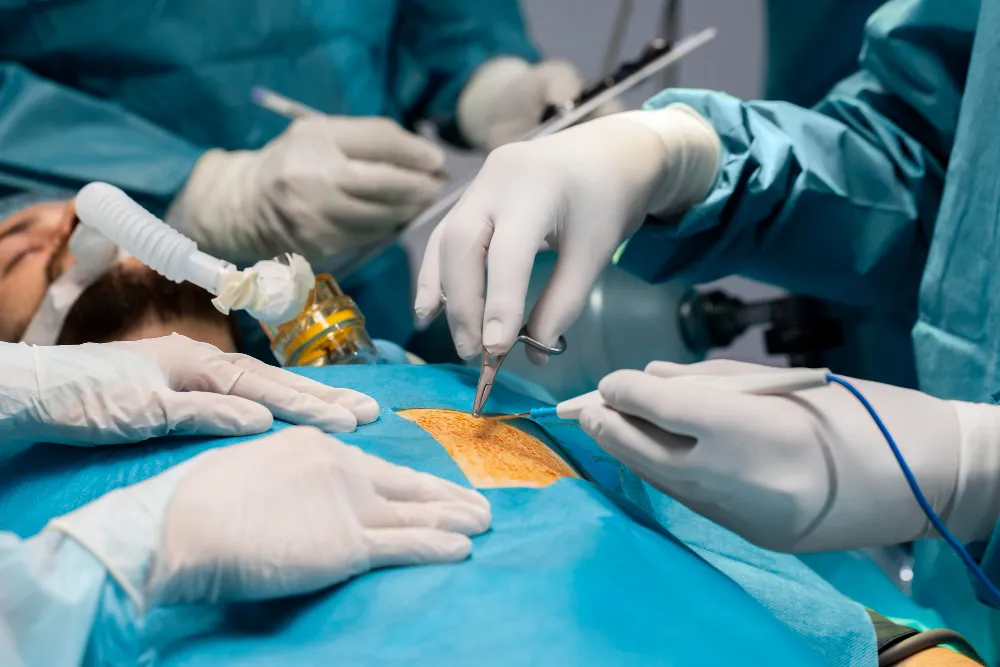
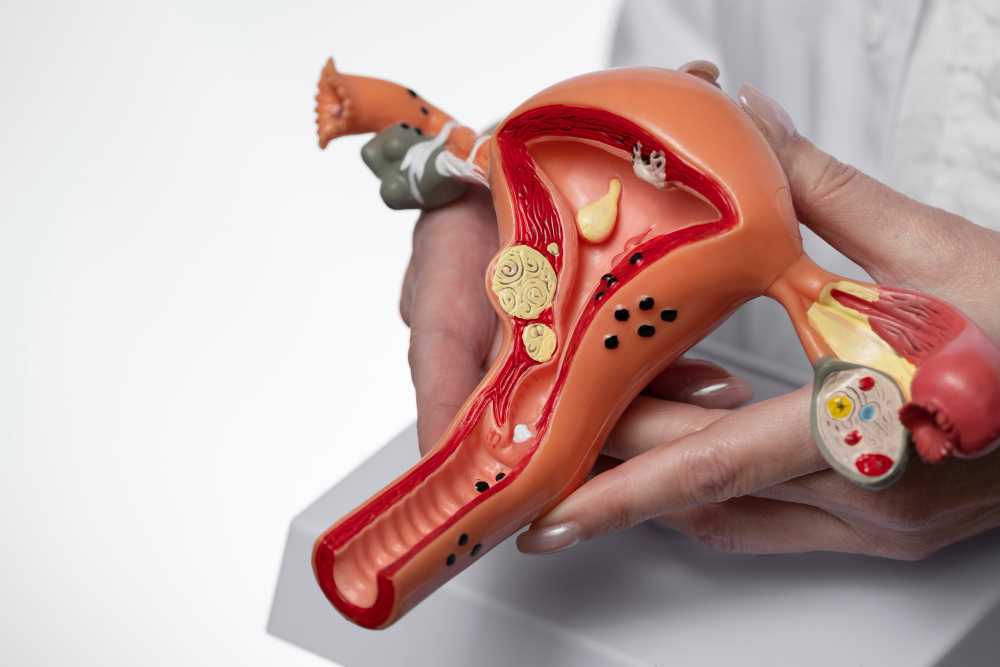
An ovarian cyst is a fluid sac formed inside an ovary. They commonly form during ovulation. Similarly, most ovarian cysts are harmless and just lay there without causing any discomfort, pain, or harm. However, there are specific circumstances where they can cause damage. During such circumstances, you must go to an expert and remove them. This process of removing the ovarian cyst is known as ovarian cystectomy. There are two primary types of ovarian cystectomy, one of which is Laparoscopic ovarian cystectomy, commonly known as laparoscopic surgery for ovarian cyst. The question here is – what is laparoscopic surgery for ovarian cysts, and why is it done?
In this blog, we explore what a laparoscopic cyst for ovarian cysts is and why it is done.
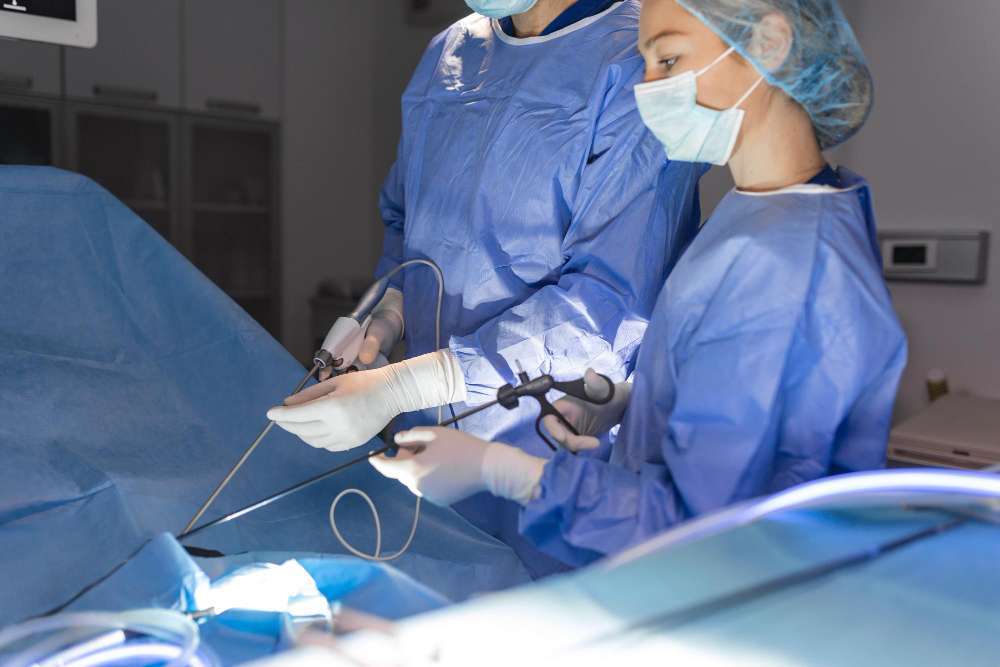
 Laparoscopic surgery removes fluid-filled ovarian cysts. Unlike traditional forms of surgery, there is only a small incision during the laparoscopic ovarian cystectomy. This small cut allows the expert to insert a small camera to view inside your body. Additionally, it also allows the doctors to insert small but highly complicated tools to perform the surgery. As you can guess, the wound in this form of surgery to remove the cyst is small. This form of surgery is highly preferred over the traditional form of surgery as it is minimally invasive, and patients can easily recover from this form of surgery.
There are several potential causes of ovarian cysts. Some of the key causes may include the following:
One of the primary causes of ovarian cysts is hormonal imbalance. Although hormonal imbalance does not guarantee ovarian cyst, it does lead to higher chances of ovarian cyst. They can be triggered by fertility treatments or any other forms of issues.
During the pregnancy, corpus luteum cysts can, at times, continue growing into a woman’s pregnancy after the egg is released from the follicle. That said, the cyst may resolve on its own during or after the pregnancy.
An endometriosis is a condition where a tissue similar to the lining inside the uterus grows outside the uterus. It is a common condition and the tissues involved in this condition can sometimes form a cyst that may require removal.
These are some of the key conditions that can cause ovarian cysts that may require removal.
 There may be several reasons for conducting laparoscopic surgery for ovarian cysts. Some of the key reasons for conducting laparoscopic ovarian cystectomy include the following:
One of the key reasons why this procedure is done is to relieve our patients of the symptoms. Cysts can cause pelvic pain. These pains can be either chronic or acute. Additionally, cysts can also cause menstrual irregularities and laparoscopic ovarian cystectomy aids in providing relief from these symptoms.
This surgery is also performed to prevent complications. Large or heavy ovarian cysts can result in twisting of the ovary, cutting off blood supply to this organ, leading to severe pain and potential ovarian damage. Therefore, in certain circumstances, the removal of the cyst may be required. Furthermore, cysts can rupture, causing pain and internal bleeding and can lead to infections. Removal of cysts is the best way to prevent complications like these.
Although many cysts do not harm the patients in any shape or form, some can cause severe harm. The surgery allows doctors to examine which ones are harmful and which ones are not. Along with this, the removal of harmful cysts can also aid in preserving fertility, which is important for women who wish to conceive.
Cysts associated with endometriosis can deeply impact fertility. Therefore, removing these cysts can improve the chances of conception. If the patient wants to enhance their fertility, the doctors may recommend the removal of the cyst through laparoscopic ovarian cystectomy.
Not all cysts are the same, and some cysts either do not resolve on their own or reoccur time and again. In circumstances like these, surgical intervention may be required to manage these forms of cysts.
These are the five key reasons why laparoscopic surgery for ovarian cysts may be done.
The entire procedure can be divided into four major segments. While the specific procedure may vary based on the specifics of the reason and condition, the general process remains the same. The general procedure is as follows:
Before the process, doctors conduct a thorough examination of the patient. This may include pelvic exams, ultrasounds, and MRI scans to assess the condition of the cyst. Patients also get detailed information regarding the procedure, including risks, benefits, and alternatives. The doctors may also provide fasting instructions as needed.
Once a thorough examination is complete, doctors start the procedure on the due date. During the procedure, general anaesthesia ensures the patient is pain-free during surgery. The dosage depends on the health condition of the patient.
During the procedure, the patient is positioned on the operation table, usually lying flat on the back. Then, a small incision is made near the belly button on the lower abdomen. A laparoscope with a camera is inserted through this incision along with small devices. The surgeon then carefully locates and removes the cyst. If the cyst is large, they may drain the fluid before removing it. After removing the cyst, surgeons close the incision.
Following the completion of the surgery, the patients are discharged and allowed to recover. They are advised to rest and avoid difficult physical activities. Depending on the circumstances, the doctors may also prescribe pain medications for mind pain and discomfort.

Dr. Ghanashyam Thapa is a highly skilled and experienced general surgeon having more than 10 years of experience in his field. He completed the MBBS and to get more specialization, he further pursued the MD degree. With the help of his degree, he is able to manage a wide range of surgical conditions. Throughout his career, Dr. Thapa has been involved in surgical procedures, even in complex cases. He mainly emphasizes the key skills such as minimally invasive (laparoscopic) surgeries, trauma care, and preoperative and postoperative patient management. He is recognized because Dr. Thapa always does his duties carefully, whether it is diagnosing the problem, performing the surgeries or follow-up care for the patients. Due to his personality, many patients are very satisfied and trust him. Furthermore, he has built a solid reputation for delivering high-quality surgical care.
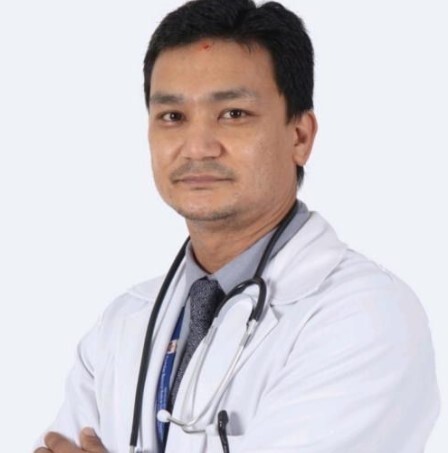
Dr. Rajiv Nakarmi is a skilled and experienced general surgeon in Venus Hospital. He started his medical journey by obtaining the MBBS degree from Xinxiang Medical University, China (2008). Furthermore, he completed his MS in General Surgery from Kathmandu University, Dhulikhel, in 2015 along with a fellowship in Gastrointestinal Minimal Invasive Surgery. Due to his experience and degree, he has capability to handle complex types of general surgical cases. Dr. Nakarmi is passionate about contributing these skills to the field of general and minimally invasive surgery in Nepal.
Dr. Srikant Agrawal is a young and dedicated general surgeon with 3 years of clinical experience in his field. He received his MBBS degree from the University of Rajshahi, Rajshahi Medical College, Bangladesh, in 2013. After completing his MBBS degree, he instantly obtained his MS in General Surgery from the National Academy of Medical Science (NAMS), Nepal, in 2021. Dr Agrawal has been involved in managing a variety of general surgical cases, including both elective and emergency procedures. His training helped him acquire the necessary skills that are required to diagnose and treat a wide range of surgical conditions.
An ovarian cyst is a fluid-filled sac that is formed inside an ovary. While these sacs are typically harmless if they are too large or cause pain, they can be harmful. Some of the key reasons why laparoscopic surgery for ovarian cysts is done include symptomatic relief, prevention of complications, diagnosis and treatment, fertility enhancements, and management of persistent or recurrent cysts.
In this blog, we discussed what laparoscopic surgery for ovarian cysts is and why it is done. We hope you found this helpful. If you want further insights into various aspects of health, feel free to check out some of our other blogs. If you want the best laparoscopic ovarian cystectomy in Nepal, look further than Venus Hospital, which is the best hospital in Nepal.
The main cause of ovarian cysts is ovarian cycle. That said, most of the ovarian cysts are harmless and only some need to be removed.
Laparoscopic ovarian cystectomy, commonly known as laparoscopic surgery for ovarian cysts, is a minimally invasive surgery to remove ovarian cysts, performed through small incisions.
It is minimally invasive, involves smaller incisions, and has a faster recovery time compared to traditional open surgery.
It is done for symptomatic relief, prevention of complications, diagnosis and treatment, fertility enhancement, and management of persistent or recurrent cysts.
Ovarian cysts can cause pelvic pain, menstrual irregularities, and other complications if they become large or rupture.
It removes large or heavy cysts that could twist the ovary, cut off blood supply, rupture, or cause internal bleeding and infections.
Yes, laparoscopic surgery for ovarian cysts can be performed on large cysts. If the cyst is large, the fluid may be drained before removal.
The recovery period is typically shorter than open surgery, with most patients able to resume normal activities within a week or two.