24*7 365 days
24*7 365 days
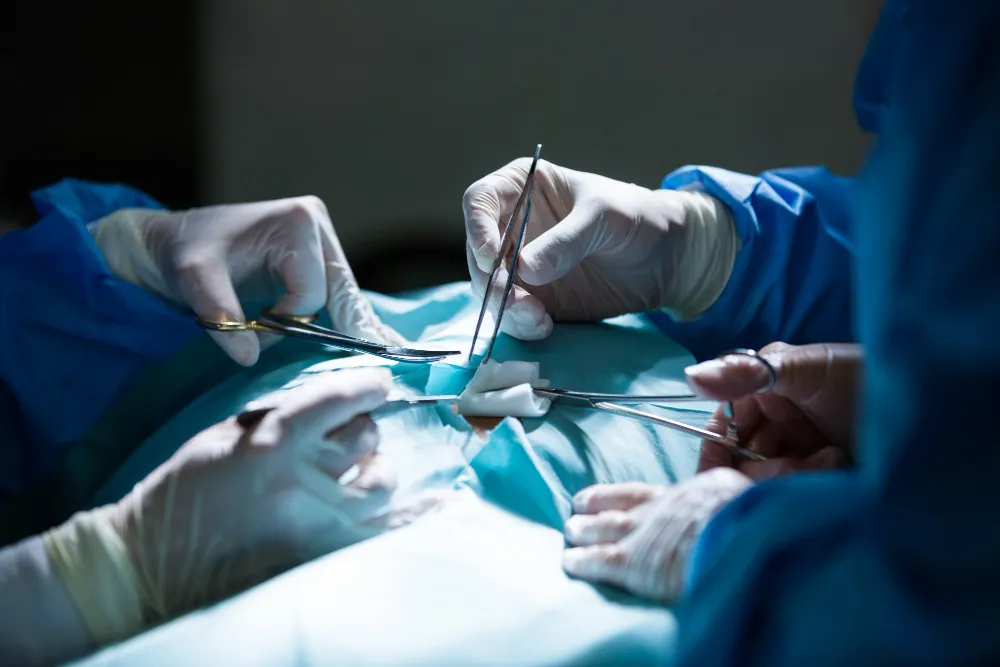
In the medical world, there are many forms of treatments. Surgery is one such category of treatment that is widely used to treat many ailments. Even within this form of treatment, there are many varieties, and the specifics can vary depending on your needs. One such form of surgery is laparoscopic cholecystectomy. But what is a laparoscopic cholecystectomy? In simple words, it is a laparoscopic gallbladder or a surgery done to remove the gall bladder using a laparoscope. Are you curious about the details of this surgery? If yes, then you have come to the right place.
In this blog, we provide you with an overview of laparoscopic gallbladder surgery in Nepal, including reasons for conducting laparoscopic cholecystectomy and things to expect during this surgery.
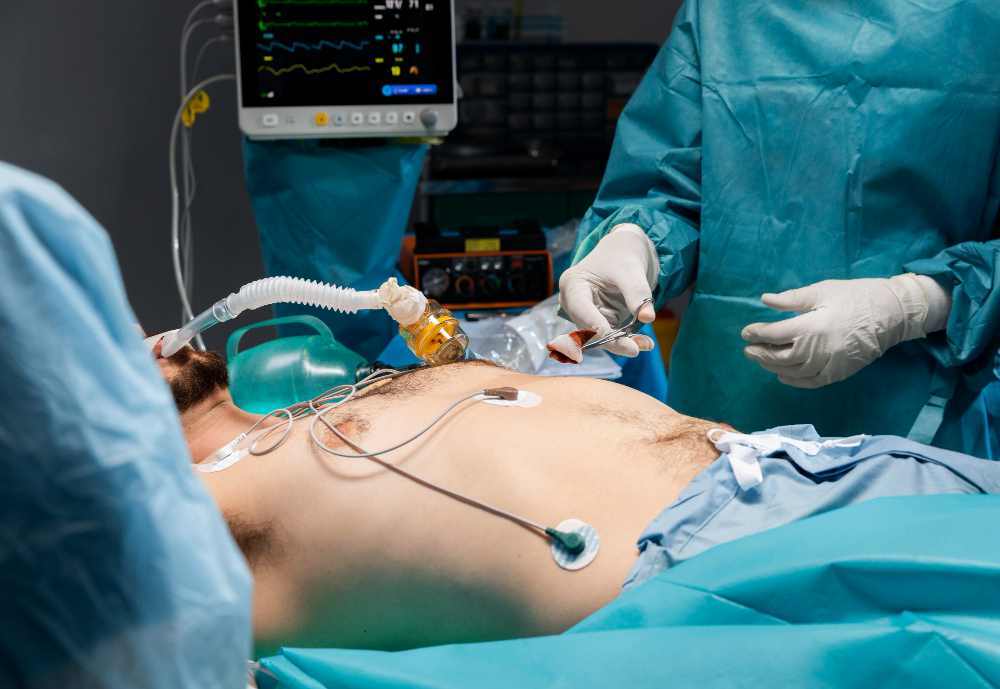 Cholecystectomy is a surgery to remove the gallbladder, and it is a relatively common surgery. The surgery is typically safe and only has a small risk of complications. For many patients, this surgery is conducted using small incisions and the aid of a laparoscope. If the surgery is done through the use of a laparoscope, it is known as laparoscopic gallbladder removal or laparoscopic cholecystectomy. If you have this surgery, you can typically go home on the same day.
This process typically involves inserting a small camera and special tools inside your abdomen to remove the gallbladder.
There are many reasons for conducting laparoscopic gallbladder removal. Although the specifics may vary, some of the common reasons may include:
It is a disease that occurs when solid particles, known as stones, form in the gallbladder. It generally occurs due to an imbalance in the substances that make bile. These stones can be as small as a grain of sand or a large pebble. While small gallstones are washed with urine, large ones can cause symptoms such as pain in the upper abdomen, nausea, and vomiting.
This disease is categorised by persistent inflammation of the gallbladder. Chronic Cholecystitis typically occurs because of repeated episodes of acute cholecystitis, a condition where the gallbladder becomes inflamed because of constant obstruction caused by gallstones. It can lead to thickening of gallbladder walls and reduced function.
Gallbladder polyps are essentially growths that stick out from the inner surface of the gallbladder wall. These polyps may or may not cause any harm to the body. In rare cases that cause harm, they may require surgical removal.
Pancreatitis is an inflammation of the pancreas. Although it is not directly associated with gallbladder, sometimes gallstones can block the pancreatic duct. This can cause abdominal pain, nausea, vomiting, and, in severe cases, lead to complications such as organ failure. During these circumstances, you must conduct a laparoscopic gallbladder removal surgery.
Gallbladder cancer is a rare but serious cancer that starts in the cells of the gallbladder lining. This cancer typically goes unnoticed until later stages. When this cancer is typically detected, you may face symptoms such as jaundice, unexplained abdominal pain, and unexplained weight loss. By the time you detect this symptom, the cancer may already have spread to other directions.
These are just some of the reasons to conduct a laparoscopic cholecystectomy. Besides the ones we mentioned here, there can be several other circumstances when you may need to conduct this surgery. We recommend you consult your doctor for further information if you are facing any of the symptoms we mentioned here.
 After knowing the circumstances where you need to conduct laparoscopic gallbladder surgery, let’s talk about its risks. Although laparoscopic gallbladder removal surgery is generally safe and does not pose a risk, there are rare circumstances where some complications may occur. Some of the risks of this treatment may include:
At rare times, laparoscopic gallbladder surgery may lead to bleeding during or after the surgery. Although uncommon, it does happen at times.
Besides bleeding, infection is another rare but still present risk of laparoscopic cholecystectomy. Should there be an infection, you may need antibiotics and additional treatment.
During the process of removing the gallbladder, there is an extremely small risk of injuring the bile ducts. It can lead to bile leakage or obstruction.
Besides the bile duct injury, nearby organs such as intestines, livers, and blood vessels can be damaged. Needless to say, the risk of this happening is extremely minimal;
Along with damage to nearby organs, another rare risk you may encounter is the risks associated with anaesthesia. During the laparoscopic cholecystectomy, a specific dose of anaesthesia is administered. Under rare circumstances, allergic reactions, respiratory issues, or adverse reactions to medications may occur.
These are some of the risks that you may encounter during this gallbladder removal surgery. As mentioned earlier, it is important to know that despite these risks, this surgery is generally safe and serious complications are rare when performed by experienced surgeons in the right settings.
 Now that you know some of the risks associated with this surgery, let’s discuss the aspects you must prepare for before this procedure. Although the specific aspects of preparations vary based on your circumstances, some of the key ones include:
One of the key aspects you should prepare before you start this gallbladder removal surgery includes the ones associated with food and medications. The pre-surgery diet includes not eating anything the night before the surgery to prevent any complications during the procedure. However, you can take a small sip of water with your medications. You should also avoid eating and drinking for a minimum of our hours before your surgery. This aspect includes chewing gums and consuming any form of liquid.
You should also inform your healthcare team about all the medications you are currently taking. This includes providing information about your prescription drugs, over-the-counter medications, and any supplements. After you do this, your healthcare may advise you to stop taking specific medications and supplements depending on your circumstances.
You should also prepare clothing and personal items along with food and medications. Although you can go home on the same day as the surgery in general, there is a small chance that you might need to stay overnight. Therefore, you should prepare a small backpack with your essential personal items. The items that you would want to include in your bay may include:
Preparing for laparoscopic cholecystectomy in Nepal isn’t just about preparing for pre-surgery; it is also about preparing for circumstances after the surgery. After the surgery, you would not be in your best condition. Therefore, you should arrange for a friend or a family member to drive you home after the surgery. Additionally, we advise you to have someone stay with you during the first night after the surgery. This person can assist you with immediate post-operative needs and monitor your recovery.
By following these steps, you can ensure that you are well-prepared for your surgery.
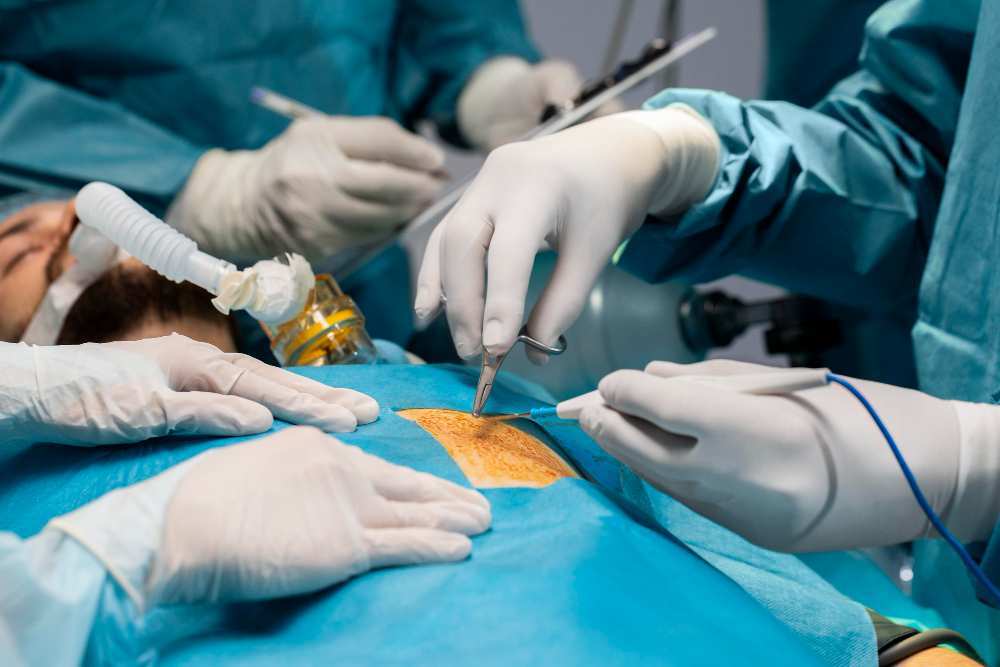 At this point, you should have a general idea of the reasons for doing this surgery, its risks, and things to prepare for. Now, let’s talk about what you should expect before, during and after the surgery.
Laparoscopic cholecystectomy or laparoscopic gallbladder surgery is done under the effect of general anaesthesia. Therefore, you will not be awake during the procedure. You can expect the anaesthesia to be given through a vein in your arm. Once the anaesthesia takes effect, the surgeon places a tube down your throat to help you breathe. Then, they remove your gallbladder using this procedure. Do note that you shall not be awake during the entire procedure, so you shall not feel or experience anything.
In this phase, the surgeon makes small cuts in your abdomen. Then, a video camera is placed in one of the cuts. This allows the surgeons to see inside the monitor. Then, the surgeons use tools through the cuts to remove your bladder.
If the surgeons suspect that you may have gallstones or other issues in your bile duct, they may use imaging tests such as X-ray or ultrasound. Once the bladder is successfully removed, the surgeons close the cuts and transport you to the recovery area. Although this procedure is a bit complex, it only takes one to two hours to complete. The step-by-step process followed during the surgery is as follows:
Once the surgery is over, you can expect to wake up as the effect of anaesthesia wears off. Depending on your circumstances, you should be able to wake up after a few hours. After you wake up and rest, you should be able to walk and eat without help. However, as mentioned previously, in some circumstances, you might need to stay overnight in the hospital. Note that it can take around a week for a full recovery. Therefore, you might feel some minor weakness during this time. However, after a week, you can resume your regular activities.
This is the general gist of what you can expect before, during, and after the laparoscopic cholecystectomy. However, specific procedures and events may vary based on your circumstances.
If the surgery is completed successfully, you can expect relief from the pain and discomfort of the gallstones. You can also expect a lack of digestive problems since your gallbladder is not essential for healthy digestion. Some of you may occasionally experience loose stool after the procedure. That said, this issue generally goes away with time.
The specific cost of laparoscopic gallbladder surgery in Nepal varies depending on many factors. These factors include the location of the health organisation, the technology used, the experience of the surgeons, and additional procedures involved. However, you can get an affordable laparoscopic cholecystectomy at Venus Hospital between 40,000 Npr and 60,000 Npr.

Dr. Ghanashyam Thapa is a skilled General Surgeon with over a decade of experience. With an MBBS degree and an MD in general surgery, he possesses the qualifications necessary to diagnose and deliver effective treatment for a wide range of ailments professionally. Apart from this, he can also conduct abdominal surgery, trauma management, hernia repair, appendectomy, and minimal access surgery. He is recognized because of his surgical skill, calm demeanor, and patient-focused philosophy. He still works to deliver complete and compassionate care to every patient he treats.
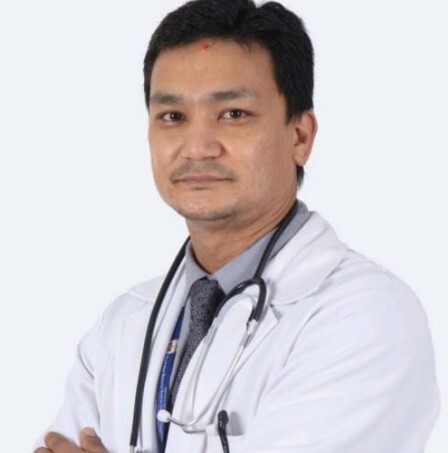
Dr. Rajiv Nakarmi is a proficient Laparoscopic and General Surgeon with more than 8 years of experience. He holds an MS in General Surgery from Kathmandu University and an MBBS from Xinxiang Medical University in China. Furthermore, he also completed a fellowship training in Gastrointestinal Minimal Invasive Surgery. By getting the fellowship training, he further enhanced his laparoscopic skills and GI procedure. His work includes minimally invasive surgery, gastrointestinal surgery, hernia repair, and abdominal emergencies at Venus Hospital. He is recognized because of his patient – centered care, precision in surgery, and commitment to staying updated with the latest surgical techniques
Dr. Srikant Agrawal is a dedicated and skilled General Surgeon employed at Venus Hospital. He has gathered around 3 years of experience, allowing him to diagnose and manage a range of surgical conditions. Dr. Agrawal obtained his Master of Surgery (MS) in General Surgery from the National Academy of Medical Science in Nepal in 2021. Furthermore, he also obtained his MBBS degree from Rajshahi Medical College, University of Rajshahi, Bangladesh, in 2013. His patient-centred approach and clinical expertise made him popular among other doctors. Dr Agrawal keeps updated on the latest technology and techniques that are used in General & Laparoscopic Surgeries, Abdominal & Gastrointestinal Surgeries, Minor and Major Surgical Procedures and Preoperative and Postoperative Management.
Laparoscopic Cholecystectomy or laparoscopic gallbladder surgery is a procedure where the experts use laparoscopy to remove your gallbladder. There are many reasons why you might want to use this procedure. Some of these include gallstone disease, chronic cholecystitis, gallbladder polyps, and gallbladder cancer. You can prepare for this procedure by fasting, managing medications, and preparing for the night stay. Once you are prepared, you should know the various aspects you should expect before, during, and after the surgery. These expectations include getting a dose of anaesthesia, completing the surgery, and recovery time. After the surgery, you can expect relief from the pain and discomfort of the gallstones and lack of digestive problems. The good news here is that you can perform this surgery at an affordable price between 40,000 Npr to 60,000 Npr at Venus Hospital.
In this blog, we provide a brief overview of laparoscopic cholecystectomy, simply known as laparoscopic gallbladder surgery in Nepal. We hope you found this helpful. If you want further insights into various health aspects, check out some of our other blogs.
Moreover, if you are looking for the best hospital for laparoscopic cholecystectomy, look no further than Venus Hospital. Thank you for reading till the end.
Laparoscopic cholecystectomy is a surgery aimed at removing the gallbladder by inserting a tiny video camera and special tools through a small incision.
While the specific cost of this surgery varies, at Venus Hospital, the cost of laparoscopic gallbladder surgery is between 40,000 Npr and 60,000 Npr.
No, laparoscopic cholecystectomy is not a high-risk surgery. Rather, it is an extremely low-risk surgery.
Some of the key benefits of laparoscopic cholecystectomy include:
In general, you should take a complete rest for 24 hours. After that, you can do light activities. The complete recovery typically takes around one week.
Yes, you can live without a gallbladder. However, you may experience minor digestive issues such as occasional diarrhoea and difficulty digesting fatty foods.
Common reasons include gallstone disease, chronic cholecystitis, gallbladder polyps, pancreatitis, and gallbladder cancer.
The specific process for preparing for laparoscopic gallbladder surgery varies. However, some of the key steps you can take include: