24*7 365 days
24*7 365 days

Kidney stones are one of the rising common health issues in Nepal, affecting people of a wide range of ages from different parts of the country. In Nepal, there has been a rise in consumption of food from different places with high concentrations of minerals like calcium and oxalate in foods like beans, nuts, caffeine, etc. Because of this, people of all ages are now more vulnerable to develop kidney stones. Medical research shows that you are more likely to have kidney stones if your family members from different generations have obesity, kidney stones, blood pressure issues, and diabetes in common.
Many of the patients who suffer from kidney stones only visit the hospital when the pain is rampant, and their case is serious. This thus makes their health condition much more difficult to treat. It is thus important to frequently go for regular health checkups to detect ailments and other troubling health conditions. In this blog, we will help you understand Kidney Stone, how it forms, symptoms, and how you can treat it in the best manner possible in an affordable price range.
Kidney stone, also known as Urolithiasis or Nephrolithiasis is a health condition in which a crystal or a series of crystals are formed in the kidney due to high deposition of minerals collected from blood. The stones formed from these minerals exit the renal pelvis and are collected into the remainder of the urinary collecting system, like the ureters, bladder, and urethra. These stones lead to blockage in most cases and disturb the normal flow of flood and fluids like urine. Apart from causing pain and irregular urine discharges, the kidney could also lead to blood discharge and be fatal. However, kidney stones are often treatable even in the most serious of cases with the high-end development of modern healthcare technologies.
 There are rare conditions with metabolic issues involving minerals like oxalate, Vitamin D, Cysteine, purines, and uric acid. These can cause kidney stones not only in adults but also in infants and even newly-born children.
In cystinuria, leak of chemical cystine into the urine leads to high deposition of minerals. Similarly, APRT (Adenine Phosphoribosyltransferase) deficiency can lead to kidney stones even when a person is fully committed to diet or lifestyle for maintaining healthy kidneys. In most cases, however, kidney stones are often caused by dehydration, obesity, an unhealthy environment, and a lack of activities for a healthy and balanced lifestyle. The following are the major causes of kidney stones:
Several factors, from daily habits to environmental exposure in the long term, can contribute to the formation of kidney stones, like:
The symptoms for men, women, and intersex people can differ due to the differences in their anatomical features. Against such differences, common symptoms can definitely be recognized and can be treated before they get worse.
Some of the common symptoms of kidney stones from early stages include:
I. Early Stages :
II. Mid or Critical Stages:
On a global scale, 1 out of 10 people are likely to have developed kidney stones, which can affect their body and lifestyle. Some of the major risk factors for developing kidney stones were found to be the high consumption of meat products, high intake of salt, and low intake of water and other fluids. The ones with health conditions like obesity, diabetes, and high blood pressure are at high risk of developing kidney stones. However, factors such as dietary habits, exercise habits, environment of inhabitants, and lifestyle are major contributors to the prevalence of kidney stones among Nepali people. People in the age range of 25-45 are more likely to develop kidney stones, while men at the more vulnerable side due to exposure to unhealthy lifestyles.
 In Nepal, there are numerous kidney stone specialists and urologists who treat normal to most critical conditions of kidney stones. Dr. Sunil Shrestha and Dr. Basanta Baral are some of the top-performing urologists in Nepal. Their information is as below:

Dr. Sunil Shrestha is a well-known urologist specializing in kidney stone treatment and consultant. With 2 decades of experience in the field of urology, he has been providing advanced treatment options, including laser lithotripsy and minimally invasive surgeries for kidney stones.
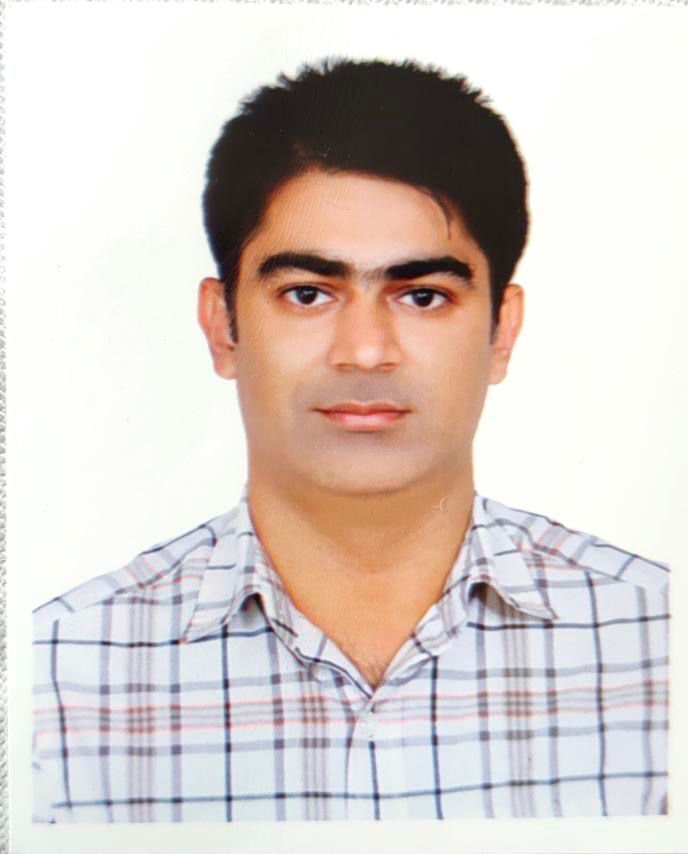
Dr. Bashanta Baral is also an expert in urology, with numerous experiences with treating kidney stones ranging from mild to critical conditions.
Venus Hospital, based in Baneshwor, Kathmandu, is equipped with the latest modern technologies for detecting kidney stones, even in the most preliminary stage. Some of the major diagnostic tools and methods for detecting kidney stones include:
Based on your age, gender, pre-existing health conditions and ailments, various procedures can be implemented for treating kidney stones. Venus Hospital offers the following treatment methods based on stone size and condition:
Venus Hospital, based in Baneshwor, Kathmandu, provides quality treatment for issues and has several hospitals with expert urologists offering advanced treatment options in Nepal. At the most affordable price range, you can treat UTI (Urinary Tract Infections), Kidney Stone Management, Prostate Health Management, and Treatment for bladder and urinary incontinence.
Led by the expert urologist Dr Sunil Shrestha with Dr Basanta Baral, you can get quality treatment for your illnesses or health conditions disturbing your daily lifestyle. For further queries, contact us at 01 – 4575120.
Kidneys are the most important organs in our body that play a vital role in filtering waste and other impurities from our body. They help regulate blood pressure, maintain the body’s chemical balance, and stimulate bone marrow for the production of red blood cells.
Lack of a healthy diet, along with pre-existing health conditions like obesity, diabetes, and high blood pressure, can contribute to kidney stone formation. However, rare genetic conditions can also result in kidney stones, even in infants. On a global scale, thousands of people experience complications from untreated kidney stone conditions. It is therefore best to seek medical attention when you experience even minor discomfort. Timely diagnosis and proper treatment can effectively manage the condition and help you live a healthy life. For regular health monitoring and preventive care, you can also explore our Health Packages for comprehensive healthcare options.
Other Related Blogs:
Kidney stone treatment in Nepal can hugely vary based on the quality of services provided by the hospital along with the cost of the treatment procedures. It is also best to consider reviews by patients and service seekers of the hospital. Based on reviews, affordability, and quality of care, Venus Hospital is one of the best hospitals for urology services in Nepal. It has one of the best teams of urologists and healthcare officials. Besides Venus Hospital, Norvic International Hospital and Nepal Mediciti Hospital are the other top-performing hospitals for kidney stone treatment in Nepal.
The common signs of kidney stones in the first stage can be prolonged pain in the lower back region and difficulty in urination. One may also experience a foul or abnormal smell of the urine.
Kidney stone treatment can vary depending on your health conditions and the presence of illnesses like blood pressure, diabetes, age, and gender. It also mostly depends on the composition of stones and their size.
In some cases, the kidney stones can be treated with non-surgical options with a procedure involving ESWL (Extracorporeal Shock Wave Lithotripsy) – a non-invasive method in which high-energy shock waves break down stones into tiny fragments that can pass naturally through urine. Similarly, in ureteroscopy, stones can be retrieved by inserting an endoscope through the ureter. For complicated cases with huge stones, doctors may use percutaneous nephrolithotomy (PCNL)/ nephrolithotripsy, in which a small incision in which stones larger than 2cm is stone is either broken or directly retrieved through a tube.
Yes, small kidney stones can naturally pass just with increased fluid intake and prescribed medications. ESWL and laser lithotripsy are also non-invasive options in which stones are retrieved without surgery.
Yes, although less common, children can also develop kidney stones due to dehydration, dietary factors, or genetic factors. Rare conditions like hyperoxaluria can cause excessive oxalate production, resulting in the formation of calcium oxalate.
Dr. Sunil Shrestha and Dr. Basanta Baral are some of the best urologists from Venus Hospital, Nepal. They have the best team of doctors and medical professionals for quality kidney stone treatment. Similarly, Dr. Udita Sharma is another top professional in the field of urology.
If you are experiencing prolonged pain in the back region along with abnormal and foul smell of the urine frequently, it is best to consult a general doctor. You should also watch out for symptoms like nausea, vomiting and blood in your urine to consult doctors.
Men, on average, across the globe are more prone to have kidney stones, with 30% higher chances of getting the condition. According to WHO, 271 out of 100000 and 159 out of 100000 males and females, respectively, develop kidney stones in their lifetime, more than women. Some of the major risk factors for kidney stones are dehydration, high salt intake, obesity, and a family history of such health conditions.