24*7 365 days
24*7 365 days
Chronic Obstructive Pulmonary Disease (COPD) is a long-term lung disease that causes difficulty in breathing over time. It affects millions of people all over the world, and it can affects the daily life of people, including aspects such as walking and performing simple chores. Awareness of the disease stages, and awareness of treatment options can be of great help in COPD management and quality of life. Proper management focuses on controlling symptoms, preventing flare-ups, and helping patients maintain an active and comfortable daily life.
In this blog, we will discuss everything you need to know about COPD treatment, including medications, inhalers, lifestyle changes, and the unique needs of the elderly. Being diagnosed recently or just eager to learn how to manage your illness more effectively, this guide will help you see COPD simply and effectively.
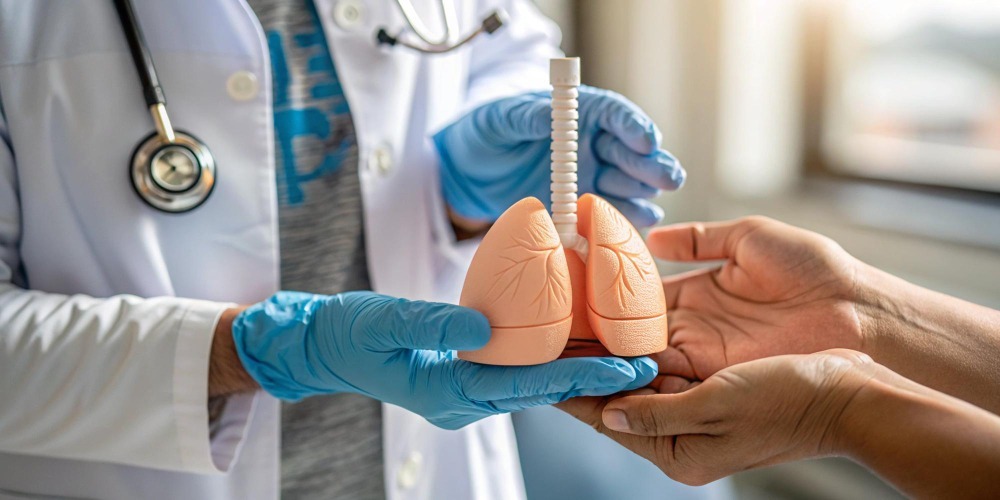
COPD Treatment
COPD is a persistent lung disease that causes difficulty in breathing. It primarily impacts the airways and small air sacs (alveoli) within the lungs, causing the obstruction of airflow and difficulty in breathing.
COPD is typically brought about by prolonged destruction of the lungs, most commonly through tobacco use, yet it might also be brought about by air pollution, work dust, or genetic influences. The condition consists of two primary forms: chronic bronchitis (persistent cough and mucus) and emphysema (destruction of the air sacs). A large number of COPD individuals have both.
COPD typically occurs over several years, and it is commonly associated with prolonged exposure to dangerous substances that destroy the lungs. Although lifestyle and environmental factors have a significant role, there are also individuals who can be more vulnerable because of genetic causes. By knowing the causes of COPD, it is possible to prevent or delay its development.
The number one cause of COPD is cigarette smoking. Tobacco smoke contains chemicals that irritate and inflame airways, which, over time, destroy lung tissue and limit airflow. Non-smokers are also at risk even when exposed to secondhand smoke over a long period, and therefore they are at risk in case they work or live with smokers.
The lungs may be damaged in a similar way to smoking by breathing in polluted air, industrial dust, or chemical fumes over several years. Individuals who work in factories, construction, or any other place that has a lot of dust or chemicals are more vulnerable. Even staying in the city with bad air may lead to the emergence of COPD over time.
Other individuals have a genetic disorder known as alpha-1 antitrypsin deficiency that lowers a protective protein in the lungs. In the absence of this protein, lung tissue is more readily damaged, and this puts non-smokers at a higher risk of developing COPD. This is a genetic factor that is not common but should be known.
COPD is a progressive disease, and its symptoms tend to become mild but may progress with time. The identification of these early signs is of importance in ensuring that they are diagnosed and treated in time. Individuals with COPD normally have difficulties in breathing that may impact daily living and the general quality of life.
Persistent Cough: Even non-smokers who have COPD may develop a chronic cough, commonly known as a smoker’s cough. This cough is long-lasting, and it can be accompanied by the production of mucus.
Shortness of Breath: The breath becomes hard, particularly when one is exercising or walking up stairs or even when performing simple chores. In the long run, the shortness of breath can be experienced even during rest.
Wheezing or Noisy Breathing: COPD may lead to the airways narrowing, causing breathing to be accompanied by a whistling or wheezing sound. It is usually more evident when one is exercising or at night.
Excess Mucus or Phlegm Production: The lungs can also produce additional mucus, and this can result in coughing and constant throat clearance. Increased risk of infections and aggravation of breathing issues can also be caused by thickened mucus.
The symptoms of COPD tend to develop gradually and can be overlooked initially. A mild cough or shortness of breath does not appear to be a major problem; however, these symptoms slowly deteriorate with time.
With the progression of the disease, breathing becomes more challenging, and even ordinary activities such as walking, climbing stairs, or performing household chores may be exhausting.
As COPD progresses, flare-ups, or the sudden worsening of the symptoms, may become more frequent. Early identification of symptoms and the initiation of appropriate treatment can be used to help control the condition better and delay its onset.
COPD has four stages according to the severity of the symptoms and the extent of the lung functioning impairment. These phases will assist physicians in determining the disease progression and selecting the best treatment. The symptoms tend to increase with the progression of the stages and impact the quality of life and daily activities.
Symptoms at this initial stage are usually mild and cannot be noticed. Individuals can also cough occasionally or have slight shortness of breath, which is normally experienced in the course of intense physical activity.
This is the stage when the symptoms become more prominent. Coughing may become more frequent and is often accompanied by mucus, while shortness of breath can occur during everyday activities such as walking or climbing stairs.
Breathing becomes very difficult and starts to seriously limit daily life. Fatigue becomes more pronounced, and exacerbations (flare-ups) are more frequent and more severe to the extent that they lead to the need for medical care.
It is the most developed phase of the disease. The breathing becomes very hard, even during rest, and even simple everyday activities are difficult to carry out. The chances of severe complications and hospitalizations are significantly increased.
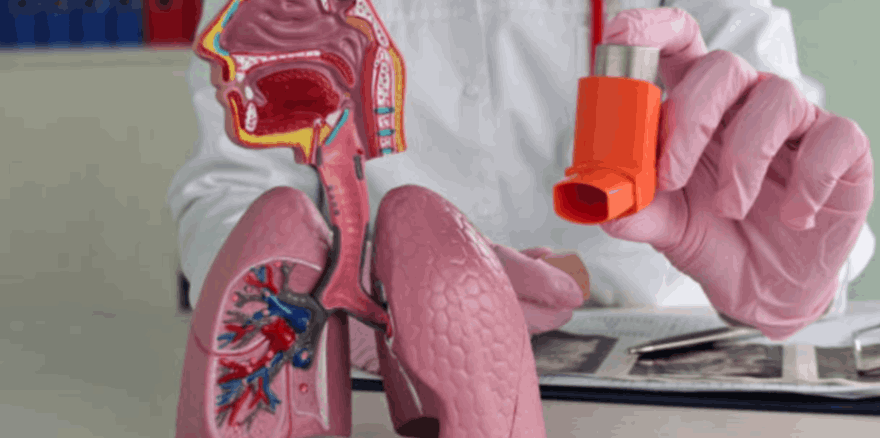
The diagnosis of COPD is based on the combination of the medical history, physical examination, and breathing tests. The symptoms appear over time and may be similar to other lung diseases, so to be sure of the diagnosis and the severity of the disease, the physician conducts specific tests. It is significant to diagnose the condition at an early age and initiate the appropriate treatment to prevent additional damage to the lungs.
The diagnosis of COPD begins with a thorough assessment of your health and breathing symptoms by the doctor. Since COPD is a slow-developing disease, the first step to take is to know your medical history and risk factors.
This will assist physicians in determining the tests that will be required and whether COPD is the probable cause of your symptoms.Physicians inquire concerning persistent symptoms, including cough, dyspnea, and sputum.
They also check your smoking history, air pollution, or chemical exposure, and your family history of lung disease. The doctor also checks your lungs and examines them during the physical examination to determine whether you have difficulty breathing.
The most significant and accurate test of COPD is spirometry. In this test, you are asked to inhale into a pipe that is linked to a machine that records the amount of air that you can blow off and the rate at which you can blow it. Such measurements demonstrate the effectiveness of your lungs and the presence or absence of airflow obstruction.
Spirometry provides the doctor with the ability to verify the diagnosis, to measure the severity of COPD, and to trace the progression of the disease. It also assists in the direction of treatment.
In other instances, other tests may be applied to either confirm or disqualify other pulmonary disorders.
The goal of COPD treatment is to help individuals breathe more easily, have fewer symptoms, and have a better life. Although COPD is not treatable, the disease can be slowed down by appropriate treatment and prevented from exacerbating. Treatment strategies are normally designed according to the severity of the case and the needs of the person.
Treatment of COPD usually consists of lifestyle modifications, therapy and pharmacotherapy. All these measures combine to minimize symptoms, enhance lung performance, and help in general health.
Lifestyle Changes: The most significant intervention in COPD management is quitting smoking. Prevention of further lung damage can also be done by avoiding air pollution, dust, and other irritants of the lungs.
Pulmonary Rehabilitation and Exercise: Pulmonary rehabilitation involves education, breathing, and guided exercise. Such programs contribute to the increase of stamina, shortness of breath, and quality of life.
Medications like Inhalers: The most common uses of inhalers are airway opening, inflammation reduction, and breathing. They help in the management of the symptoms and reduce the risk of exacerbation.
Oxygen Therapy (Late Stages): Oxygen therapy can be applied to improve the breathing, energy and health of individuals with low blood oxygen.
Surgery (Rare Cases): Surgery may be considered in the worst-case scenario when the other methods have been unsuccessful, such as lung volume reduction surgery, to improve breathing.
Inhalers are important in the management of COPD, and they are the primary mode of treatment that is usually adopted to control symptoms. They are given directly into the lungs, and they are used to open the airways, lessen inflammation, and make breathing easier.
Inhalers may help to improve the quality of life and decrease flare-ups, and improve daily breathing when used correctly and on a regular basis.
The management of COPD is done through different types of inhalers depending on the symptoms and the severity of the disease. The different types have their own mechanism of action in order to assist in the enhancement of breathing and the lowering of breathing difficulties. Physicians can use one or a combination of inhalers to improve the symptoms.
These inhalers loosen the muscles surrounding the airways, and this enables them to open up. This facilitates the ease of movement of air in and out of the lungs, which minimizes shortness of breath.
Steroid inhalers are used to decrease swelling and inflammation within the airways. They are frequently administered to reduce the chances of exacerbations and manage persistent symptoms.
Bronchodilators and steroids are available in combination inhalers. They are long-term symptom relievers that open up the airways and also reduce inflammation.
The medication is sent to the lungs, which are in need in most cases, through inhalers. They assist in breathing more easily, decreasing the number of exacerbations, and enhancing the level of everyday functioning. Inhalers are crucial in the management of COPD on a long-term basis when used properly and regularly.
Antibiotics are not used regularly to treat COPD. They are prescribed only during flare-ups caused by bacterial infections. These outbursts are commonly accompanied by more cough, thicker or greener mucus, fever, or more severe shortness of breath.
In case of a bacterial infection, antibiotics can be used to minimize the intensity of the infection, decrease the time of recovery, and minimize the chances of complications (pneumonia or hospitalization). They, however, are not effective against viral causes of COPD exacerbations and are only applicable in bacterial infections.
Antibiotics are used safely and properly, as doctors depend on the symptoms, test results, and general health to make the decision whether antibiotics should be administered or not.
COPD management in the elderly population is a matter that needs particular consideration because the aging lungs are not that functional, and most of the aged patients might have other medical conditions.
Treatment is usually individualized in a way that it is safe, comfortable, and enhances daily functioning. The primary objective is to manage symptoms, avoid making it worse, and achieve the highest possible quality of life.
COPD flare-ups, also known as exacerbations, refer to the instances when the symptoms suddenly increase, and breathing becomes harder.
It is essential to manage such episodes fast and efficiently to avoid complications and the necessity to be hospitalized. It can be significant to recognize the initial symptoms and act as soon as possible.
The management of COPD is aimed at the management of the disease symptoms, the progression of the disease, and the enhancement of the quality of life. Early detection, exercise and dietary habits, effective use of inhalers, and frequent monitoring are crucial in effective COPD management. With the help of a proper treatment plan and continuous provision of care, the people with COPD will find it less difficult to breathe and become more active, especially the older generation that may need more care and attention.
Venus Hospital is the best hospital in Nepal to diagnose and treat COPD because of its credible and holistic respiratory care. Venus Hospital offers patient-focused care, contemporary diagnostics, and professional physicians, meaning that people can safely and successfully cope with COPD due to a customized treatment plan through regular follow-ups and continuous care.
Learn more about hemorrhage and treatment options on the Venus Hospital Blog
Learn more about nephrologist treatment and kidney care on the Venus Hospital Blog
COPD is a chronic progressive lung disease, and this implies that it cannot be cured completely. Nevertheless, therapy can be used to manage symptoms and increase quality of life. Through good treatment, patients with COPD can delay the condition and live a normal life.
The most significant thing to do to safeguard your lungs is to quit smoking. Take your medication as prescribed by your doctor and keep out of the air and other irritants of the lungs. Breathing exercises performed regularly can also be used to improve the work of the lungs and relieve shortness of breath.
Take inhalers precisely as your doctor prescribes to maintain the airways open and lessen the symptoms. Participate in pulmonary rehabilitation programs and receive the flu and pneumonia vaccinations to avoid infections. Keep a close check on your symptoms and turn to medical assistance in case you observe a flare-up.