24*7 365 days
24*7 365 days
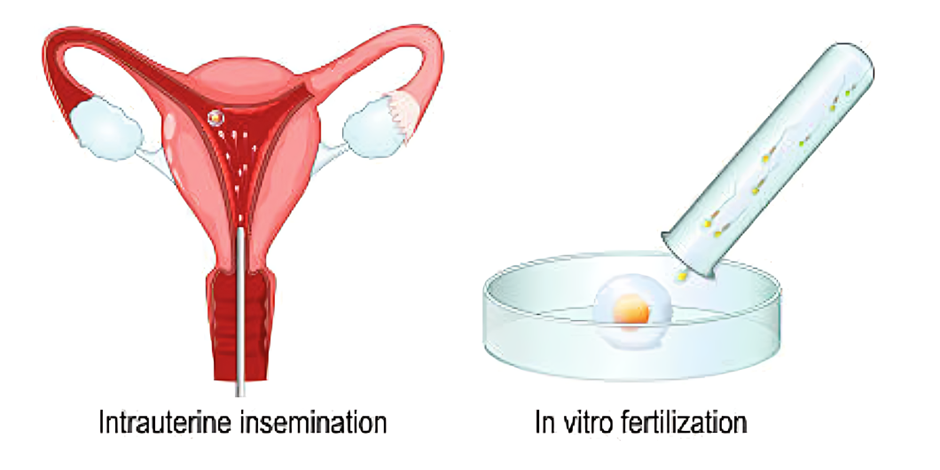
Getting pregnant isn’t always as simple as it seems. For many couples, the process leading to parenthood requires time, patience, and even medical assistance. Fertility treatments, such as IUI and IVF, are also options to help with having a baby.
Two of the most popular solutions that are advised when natural conception fails are IUI and IVF. Although both help you get pregnant, but they work in different ways and are used for different situations.
If you are starting to consider fertility treatment, it’s natural to have questions about the difference between IUI vs IVF, their success rates, costs, and which one would suit you best. This guide will take you through the basics in easy language, so you can know more about your choices and feel more comfortable about your next step.
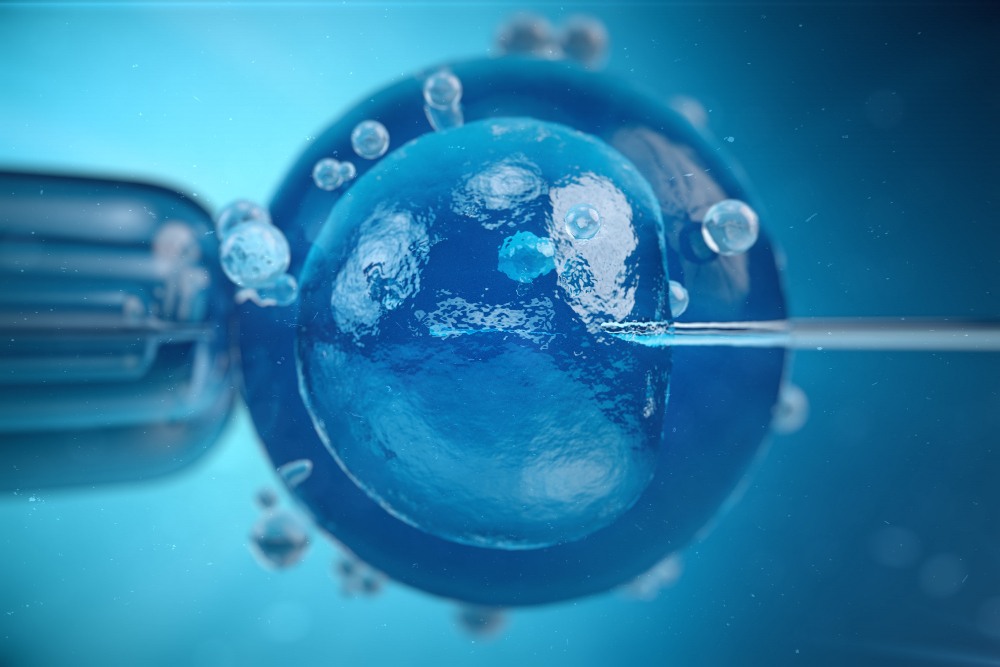
Both IUI and IVF are aimed at helping the natural process of conception, yet they are very different in their way. IUI is usually seen as a less invasive and easier procedure, whereas IVF implies more medically complicated procedures. When comparing them individually, you will have a better understanding of these two treatments and how they compare to each other, as well as which one could be more appropriate in your case.
Intrauterine Insemination (IUI) is a simple fertility treatment that assists sperm in reaching the egg more easily. In the process, the healthy sperm is washed out to remove the fluid and then inserted into the uterus through a narrow tube called a catheter. This is normally performed on the day after ovulation and will only take 5-10 minutes. Occasionally, IUI is used together with ovulation-stimulating drugs to raise the possibility of conception.
A more advanced treatment of fertility is IVF (In Vitro Fertilization). It begins by the injection of hormones to make the ovaries produce more than one egg. After the eggs have reached maturity, they can be harvested in a brief outpatient process and fertilized with sperm in a laboratory. The resultant embryos are either inserted into the uterus or frozen to be used in the future.
IUI vs IVF are different in that IUI is where the fertilization occurs. In IUI, sperm and egg meet naturally inside the woman’s body, which makes it a simpler and faster process. In IVF, fertilization occurs outside the body in a lab before the embryo is put into the uterus. IVF is more involved, requires more medication and more monitoring, so it is more complicated and costly, but it may be a better choice for more serious fertility problems.
When choosing between IUI and IVF, one of the most important factors to consider is how likely each treatment is to result in pregnancy. The success rates may differ depending on age, underlying fertility problems, and general health. Knowing these numbers can assist you in making a more informed choice of which option will be most suitable for your situation.
1. Average Success Rate of IUI
2. Average Success Rate of IVF
3. Success Rates Over 40
Fertility treatments in Nepal may cost differently based on the clinic, medical needs of the patient and any extra medications or procedures needed.
Intrauterine Insemination (IUI) is usually less costly. The cost of IUI treatment at Hardik IVF and Fertility Center varies between NPR 15,000 and NPR 30,000 in accordance with the specific needs.
IVF (In Vitro Fertilization) is more complicated and hence costly. The price of the IVF in Nepal depends on the kind of procedure and any additional methods applied:
| IVF Treatment Type | Cost in Nepal (NPR) |
| IVF | 2,50,000 |
| IVF with Egg Donor | 3,00,000 to 3,70,000 |
| IVF with Sperm Donor | 2,50,000 to 3,00,000 |
| IVF with ICSI | 1,60,000 to 2,50,000 |
| IVF with IMSI | 3,50,000 to 4,80,000 |
| IVF with TESA | 3,60,000 to 4,00,000 |
Overall, IUI is simpler and cheaper than IVF, and, thus, it is a favorable first choice for many couples. IVF is more successful, especially with more complex cases of infertility, but it is more costly due to additional procedures and monitoring that must be done.
When considering fertility treatments, one of the main concerns of a couple is how uncomfortable they will feel. It is only natural to ask the question whether the procedures are painful or whether you will require a lot of recovery time. Knowing the feeling of each treatment can help you feel less worried and ready to know what to expect.
IUI is usually not painful. The process is similar to a Pap smear, with only mild discomfort or cramping.
IVF can be more uncomfortable because it involves hormone injections, egg retrieval (under anesthesia), and embryo transfer. However, most patients describe it as manageable, not unbearable.
Venus Hospital is one of the most popular fertility care hospitals in Nepal. At Venus Hospital we are committed to offering personalized treatment and caring services, which means that couples and individuals who are interested in IVF or IUI procedures can rely on the help of this hospital to assist them throughout the fertility process.
One of the most crucial things in your fertility journey is to find the right doctor. Venus Hospital is a place where you can find a team of experienced and caring specialists who are committed to offering the highest quality care and assisting you throughout all phases of treatment.

Dr. Anupama is an experienced obstetrician, gynecologist, and IVF specialist in Nepal. She has completed MBBS in Kathmandu Medical College and her Master’s in Obstetrics and Gynecology in the College of Medical Sciences, Bharatpur. She has also taught in major medical colleges in Nepal. She was trained in reproductive medicine at Rainbow IVF, India, where she received practical experience in IUI, IVF, ultrasound, laparoscopy, and hysteroscopy, and also trained in Natural and Minimal Stimulation IVF in Germany. She has worked in Grande City Hospital and has assisted numerous couples in getting successful pregnancies, and is currently an IVF specialist at Venus IVF Center. She is one of the most reputable fertility specialists in Nepal due to her commitment and training in different parts of the world.
The choice of IUI or IVF will depend on many factors such as your age, general health, health history, infertility cause, financial resources, and expectations. IUI is typically the first intervention that will be tried in couples that have mild fertility issues, such as unexplained infertility and minor male factor infertility, because it is less invasive, less complicated, and less expensive.
Conversely, IVF can be the more appropriate method in case you are above 35 years, have blocked fallopian tubes, severe male infertility, or if IUI cycles have failed. Although IVF is more expensive and involves more medical interventions, it is probably the one that will yield better outcomes, especially in complex cases. It is a personal choice at the end of the day, and it should be done after consulting a fertility specialist who is aware of the situation.
IUI is an alternative when the couple experiences minor fertility problems because it is cheap and easy to conduct. IVF is typically prescribed in cases of more severe infertility problems or in cases of unsuccessful IUI.
Doctors can recommend IUI when the fallopian tubes are patent and the sperm count is good. IVF is superior when there are blocked tubes, severe male infertility, older age, or repeated failed IUIs.
In IUI, the probability of twins is approximately 8 to 10% when fertility drugs are utilized. During IVF, physicians have the option of transferring multiple embryos; thus, the twin rate may be as high as 20 to 30% depending on the treatment protocol.