24*7 365 days
24*7 365 days
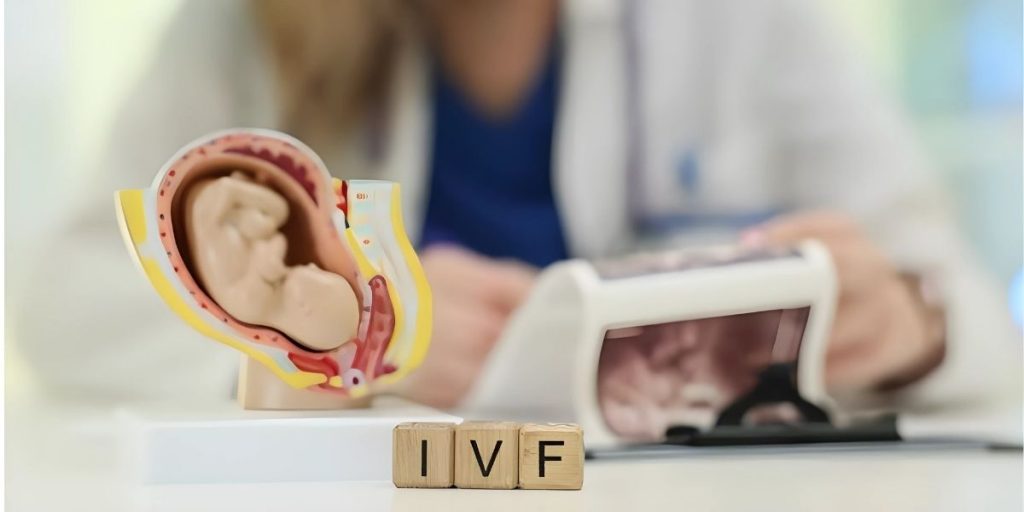
Women who have low ovarian reserve may feel overwhelmed by the process of beginning the IVF journey. The scarcity of the eggs can make the process of fertility treatment more complicated, yet the correct strategy can still result in promising outcomes. The selection of the optimal best IVF protocol for low ovarian reserve is a significant initial step since it could enhance response, enhance success rates, and pregnancy probability. We will discuss the choices in this guide and make you aware of what strategies can be the most effective.
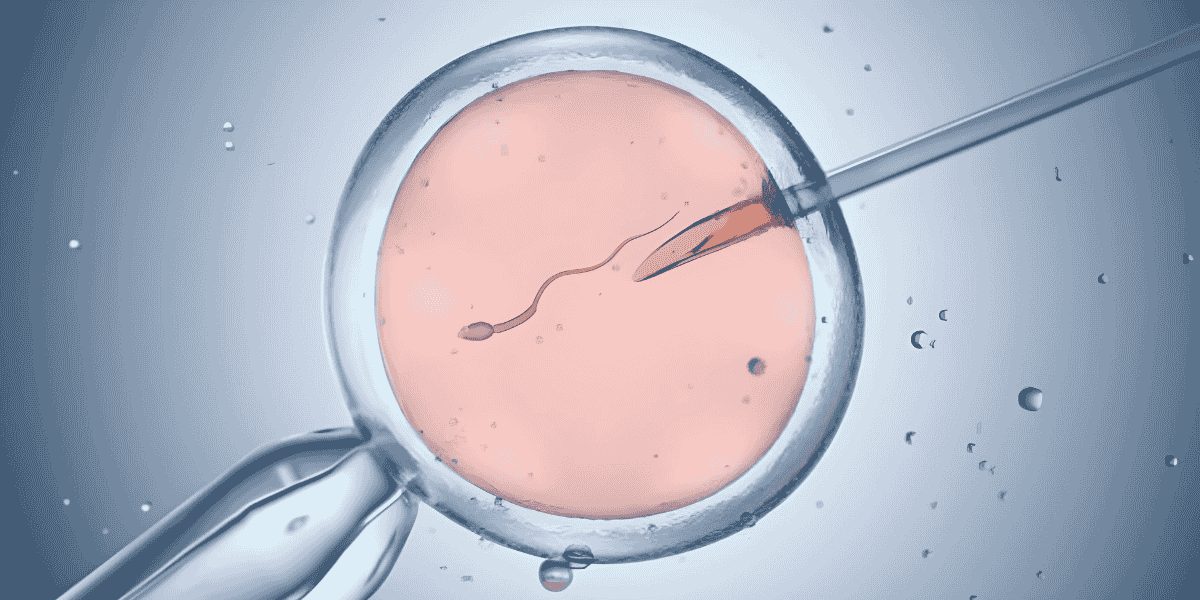 Low ovarian reserve refers to having less eggs in the ovaries of a woman compared to her age. This is normally determined by examinations such as AMH (Anti-Mullerian Hormone) levels and number of antral follicles (AFC) which help the physicians know the number and the possible quality of eggs available.
Women with low ovarian reserve may face:
These challenges can make the process of pregnancy difficult, but this does not mean pregnancy is impossible. The invention of IVF has enabled doctors to create special procedures that will help women with low ovarian reserve, improve the response of eggs, and improve the chances of successful pregnancy even in cases where the quality of eggs may be poor.
An IVF protocol is a stepwise treatment procedure that is aimed at directing the whole IVF procedure. It describes the process of stimulating the ovaries of a woman to produce eggs, how the eggs will be collected, fertilized in the laboratory and then the best embryos will be re-inserted into the uterus.
The protocol selection does not apply to all. It is very carefully chosen by doctors depending on the age of the woman, AMH levels, ovarian reserve, and even the reaction of the body to the previous IVF attempts. The protocol will be adjusted to the needs of a specific person, aiming to achieve the most successful ovarian reaction and increase the chances of successful pregnancy.
In cases where a woman has low ovarian reserve, the IVF treatment aims to maximise the available eggs. Various IVF procedures are applied to stimulate the ovaries to react in the best manner, enhance the quality of eggs, and enhance the likelihood of success. Although each method is not universal, physicians usually have several protocols, which are thoroughly studied and can be adjusted to each case of the woman. Some of the most popular suggestions for women with low ovarian reserve are listed below.Using the best IVF protocol for low ovarian reserve can significantly improve outcomes for women facing fertility challenges.
The short IVF protocol involves drugs that are used to stimulate the ovaries within a shorter period of time, often during the early phases of the menstrual cycle. It uses fewer doses of medication and shorter overall treatment compared to the traditional approaches.
Some key advantages of the short protocol include:
This method is usually advised in women with low ovarian reserve or those who fail to respond adequately to the more extended and high-dose stimulation regimes.
The long IVF protocol is that which involves the temporary suppression of the ovaries through the use of medication (also known as downregulation) before the initiation of stimulation. This assists physicians in having greater control of the cycle and the time when the eggs develop.
Some benefits of the long protocol include:
Nonetheless, this approach does not necessarily suit women who have very low AMH or have a very low ovarian reserve, since the prolonged treatment course can impose additional pressure on the ovaries.
Mini IVF or mild stimulation involves the administration of lower doses of fertility drugs to stimulate the ovaries mildly. The goal is not to get as many eggs as possible but fewer and possibly better eggs.
Some key benefits of this approach include:
Mild stimulation IVF can enhance the success of implantation, particularly in women with low ovarian reserve, by focusing on quality rather than quantity.
Natural cycle IVF is a gentler approach that works with the body’s natural process of egg development instead of using heavy stimulation medications. In this method, doctors usually monitor the natural growth of a single egg and retrieve it at the right time.
Some advantages of natural cycle IVF include:
The main limitation, however, is that usually only one egg is retrieved per cycle, which may lower the overall chances of success compared to stimulated protocols.
Antagonist protocol is the use of special drugs to eliminate premature ovulation during the stimulation of the ovaries. This enables the doctors to take time in determining when the eggs are to be collected and enhances the success of the entire cycle.
Some benefits of the antagonist protocol include:
The antagonist protocol is one of the most popular methods of IVF nowadays due to its flexibility and reduced risk of complications.
A choice of the appropriate protocol of IVF does not suit everybody- it depends on a number of personal factors. The physicians typically examine your age, AMH levels, antral follicle count, and the reaction of your body to any previous IVF treatments. In the case of women who have low egg quality, retrieval is not the only objective, but also to provide the best possible conditions to develop healthier embryos.
In other cases, mild stimulation or the combination of various strategies can be used to enhance the quality and response of eggs. Personalising the protocol to the needs of each woman provides the best opportunity of success in most instances.
The success rate of IVF in women of low ovarian reserve is usually below average since there are fewer eggs available, and the quality of eggs can be compromised. This may occasionally result in fewer transfer embryos and an increased probability of cycle cancellation. Nevertheless, there is still a possibility of success. Women with low AMH or poor ovarian response can go ahead to conceive when the treatment is well-tailored. Such factors as age, the protocol of stimulation adopted, and the response of the ovaries to medications are very significant in the determination of the outcomes.
Women with low ovarian reserve have the chance to get a healthy pregnancy with the proper protocol, sophisticated lab tests, and skilled care.
In the case of low AMH, short and antagonist protocols may be the most desired option as they are more gentle in their stimulation and less prone to overstimulate the ovaries. The following methods may be used to optimize the available supply of eggs without leading to ovarian fatigue.
Very low ovarian reserve may still respond to long protocols, but only with a great deal of careful modification, and is not always the initial option. As all women react differently, the most appropriate choice is dependent on the personal factors such as age, hormone, and past IVF results.
Low ovarian reserve may complicate the process of IVF; however, there are measures that women can undertake to enhance their success.The treatment is typically a case of timely treatment, following medical prescriptions and good health. Although it is not always possible to influence certain factors, a tiny change and proper guidance can make a difference.
Here are some practical tips:
 Dr. Anupama Gurung (Suwal) is a well-trained Obstetrician, Gynecologist, and IVF Specialist who has more than 10 years of experience. She has graduated with an MBBS and MD in Kathmandu University and a Fellowship in Reproductive Medicine in Rainbow IVF, India, and further training in Natural and Minimal Stimulation IVF.
She is working at Venus Hospital, Kathmandu, where she assists women with low ovarian reserve and complicated fertility problems to become pregnant by using individualized IVF treatment.
Low ovarian reserve women may also experience other problems with IVF, but they may be successful as well. It is simply about choosing the right protocol, starting the treatment as soon as possible, and getting a professional medical consultation. The women with the low AMH or poor ovarian response end up getting pregnant with individualised therapy and modernised procedures. To get to know more about the superior fertility treatment, you may contact or visit Venus Hospital, which is among the finest hospitals in Kathmandu to get quality IVF and reproductive treatment.
Low ovarian reserve refers to the fact that a woman has less eggs in her ovaries than what is normal. This may complicate the process of conceiving a child either naturally or by fertility therapy. It is typically assessed through such tests as AMH levels and antral follicle count.
Short protocol, antagonist protocol or mild stimulation (mini IVF) are some of the protocols that are often proposed. These procedures are not so damaging to the ovaries and have the ability to retrieve more quality eggs. However, the most desirable option will be determined by individual factors like age, hormone level and past IVF results.
Yes, one can conceive pregnancy even in the case of low AMH levels, but the success rates may be reduced. Close follow-up and appropriate IVF protocol can be of assistance. Low AMH women have been able to conceive through the proper treatment and medical support.
Yes, there are things that can be done to enhance success. It can be helpful to maintain a healthy lifestyle, take supplements prescribed by the doctor, and cope with stress. Above all, the selection of an appropriate IVF protocol improves the probability of success.