24*7 365 days
24*7 365 days
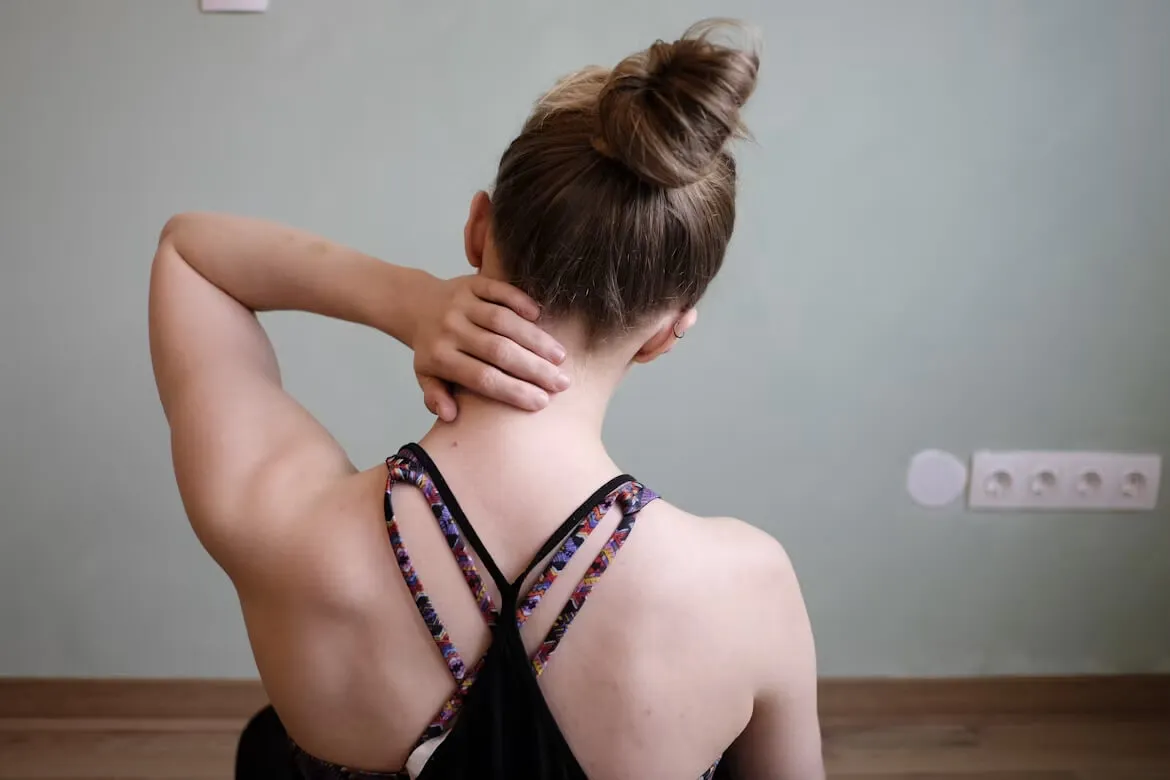
Shoulder pain at a specific age group is a common occurrence. It can come about as a result of an injury, repetitive movement, abnormal posture or muscle, tendon, joint or nerve issues around the shoulder. Pain can range from mild discomfort to a strong ache and may make daily activities like lifting, reaching, dressing, or moving the arm difficult.
Knowing what causes shoulder pain can aid in identifying the likely cause of pain and identifying when treating medical pain is needed. Shoulder pain treatment can include medicines, exercises, medical treatment or more rest, depending on the cause and severity of the pain. Sometimes they can be helped with simple care; if they continue or become very bad, then a correct diagnosis and treatment of their shoulder pain may be necessary from a health professional.

Any pain in or around the shoulder joint can be called shoulder pain and may result in changes in arm motions. The shoulder is a complex joint that consists of bones, muscles, tendons, ligaments and others, all cooperating to allow for a wide range of movements. This mobility enables us to use the shoulder to lift, reach, and thrust objects while performing basic daily tasks, but it can also have the potential of increasing shoulder injuries, overuse, and other problems.
This discomfort can present itself when swinging the arm or during rest. The symptom can be a sharp pain or a dull ache, and a person may experience stiffness, weakness, swelling or lack of movement. Symptoms are sometimes severe and can occur suddenly, following an injury or slowly over time. If symptoms continue or get worse, medical evaluation is needed to find the cause of the symptoms and to decide the best way to treat them.
There are many possible causes of shoulder pain. Some of the pain is directly around the shoulder while others may transition from elsewhere, like the neck or chest.
Common causes include:
However, some medical disorders not related to the shoulder can also give pain that radiates to the shoulder. You may feel pain in your shoulder even when the actual problem is coming from another part of the body.
The symptoms of shoulder pain may differ depending on the cause of the pain. For some people, it is a mild ache, for others it can be a sudden or severe pain after an injury.
Typical signs are:
If there is sudden, severe pain, severe swelling or loss of motion in the arm, the arm should be looked into promptly by medical staff.
The first step in diagnosing shoulder pain is to determine what is causing the pain. Your doctor will assess your symptoms, make a history and check the motion of your shoulder to understand what trouble you're experiencing. The results let them know whether or not they might need to do more tests to confirm what the source of the difficulty is and make a suitable decision for treatment.
When examining the patient, your doctor may ask you when the pain began, if you had any injury, or if any certain movements caused the pain to get better or worse. They will also observe your shoulder movement, strength, swelling and tenderness. The doctor may compare one shoulder with the other shoulder to see if there's any difference in movement or strength.
Imaging tests sometimes are necessary when the cause of pain is not known, or when an injury or other structural problem of the body is suspected. Treatment depends on what symptoms you have, and may include:
An imaging test is not necessary for everyone with shoulder pain. The type of test is based on your symptoms, physical examination and the suspected cause.
For some shoulder pain, light activity may help to keep the shoulder flexible and may prove beneficial. But exercises are not appropriate for all shoulder conditions, especially if they have suffered a severe injury to their shoulder. Exercises that make them hurt more should be avoided and expert recommendations should be followed when required.
Gentle shoulder movements can help maintain mobility. Shoulder circles, for instance, is a good light movement exercise if appropriate. The patient should take it easy and move the shoulder within a comfortable range. Patients should avoid movements or exercises that cause too much pain and not push through severe discomfort.
Stretching gently could help decrease stiffness and improve flexibility. Activities such as chest stretching, doorway stretch and other controlled (e.g., shoulder) stretches are good examples of shoulder stretching exercises. The stretch should be done slowly. Before beginning exercises, talk to a health-care provider if you have an injury that is recent or have severe pain.
After pain decreases and movement feels comfortable, strengthening exercises can be beneficial to supporting the shoulder. These exercises should be gradually introduced and can be recommended as part of a physiotherapy programme. A physiotherapist can select exercises depending on the cause of the pain, her strength and usually her range of movement.

Treatment for shoulder pain will vary depending on the cause of the pain, the severity of the symptoms and how long they have been present. Some cases are mild and improve with basic self management and rest, others will require professional treatment if the symptoms persist or are worse. Depending on the symptoms of the person and the nature of the condition, the treatment may differ.
Resting, doesn't necessarily mean doing no shoulder work at all. Some gentle movement will help to prevent stiffness; activities that causes discomfort should be reduced and/or avoided. Be careful not to overload the shoulder or use it for any strenuous activity until the shoulder is better. Maintaining good posture and a proper movement pattern can also help to prevent undue strain.
Rubberbanding analgesics may be helpful to relieve pain and promote motion of the shoulder. A doctor or pharmacist may prescribe Paracetamol and/or anti-inflammatory drugs, depending on your health and medical history. For some, topical creams or gels might also be a solution. Follow the recommended dosage for each medicine and consult with a health care professional in case you are not sure which medicine is appropriate for you.
Shoulder issues are often treated with physiotherapy. The physiotherapist can evaluate movement and strength and put in place an appropriate exercise program. Treatment for shoulder pain might involve some stretches, strengthening exercises, movement instruction and suggestions for posture and daily habits. The number of sessions to be attended is dependent on problem cause and severity.
For those who still do not feel adequate relief of pain and inflammation from other treatments, they may require painkillers and anti-inflammatory medication via injection. Depending on the severity of the injury or condition, surgery is an option for some cases, such as some tendon tears, bone fractures, and serious joint problems.
The treatment required (injections or surgical correction) depends on the diagnosis. With a thorough evaluation of the shoulder, a specialist can provide information on treatment alternatives.
Persistent or debilitating shoulder pain is not something that you should overlooked, although simple care may alleviate the pain. Using this movement helps alleviate shoulder pain within the first few days, and the shoulder should begin to improve within the first 10 days or so. So if after about 2 weeks the shoulder still isn't improving, or it's getting worse because it's now not easy to move, medical evaluation should be considered.
You should seek medical help if you experience any of the following:
If shoulder pain is accompanied by chest tightness, breathing problems, sweating or other less likely but serious cardiac symptoms, please get immediate medical help.
There are fully qualified orthopaedic and shoulder experts available at Venus Hospital who will be able to diagnose and treat those who are suffering from shoulder issues and other orthopaedic issues. The appropriate treatment is based on the patient's symptoms, diagnosis and individual needs.
Dr. Achyut Raj Bhandari is a well experienced orthopaedist of Nepal having more than 35 years of experience in the field. He graduated from All India Institute of Medical Sciences (AIIMS), New Delhi with an MBBS degree in 1973 and did MS (Orthopaedics) at Postgraduate Institute of Medical Education and Research (PGIMER) Chandigarh in 1975.
Dr Bhandari has extensive experience in dealing with all injuries related to the skeleton like fractures, problems of the joints, arthritis, spinal problems, and sports related injuries. He treats both conditions surgical, as well as non-surgical.
Dr Divya Purush Dhakal is an orthopaedic surgeon in Nepal with around 10 years of experience. He completed his MBBS from Manipal College of Medical Sciences, Pokhara, under Kathmandu University, in 2006. He later completed his MS in Orthopaedics and Traumatology from Central South University, Hunan, China, in 2014.
In addition, he has also undergone fellowship training in arthroplasty in 2017 at Landmark Hospitals, Hyderabad, India and arthroscopy training. He specializes in joint replacement surgery, arthroscopy, fractures and other orthopaedic issues.
Dr Ranjit Kumar Sah is an orthopaedic surgeon at Venus Hospital. He completed his MBBS from Kathmandu University School of Medical Sciences in 2010 and his MS in Orthopaedics from King Edward Medical University from 2012 to 2017.
Dr Sah has experience in diagnosing and treating bone, joint, and musculoskeletal problems. His areas of practice include joint replacement, fracture management, and correction of congenital and acquired deformities. He takes the time to inform patients about their treatment alternatives and applies treatment according to their condition.
Dr Hemanta Dhungana is an orthopaedic surgeon at Venus Hospital. He completed his MBBS from Fudan University, Shanghai, from 2008 to 2013 and his MD from the same university from 2013 to 2016. He has also received fellowship training in knee and hip arthroplasty in India and the United States, along with professional training in Nepal, China, Switzerland, and the United States.
Dr Dhungana has experience in diagnosing and treating bone, joint, spine, and musculoskeletal problems. His areas of practice include hip and knee replacement, fracture and trauma management, arthroscopic procedures, foot and ankle surgery, spinal conditions, degenerative diseases, and sports injuries. He also specializes in minimally invasive anterior approach hip replacement and provides both operative and non-operative treatment based on the patient's condition.
There are various different reasons for shoulder pain, including injuries, muscle and tendon pain, arthritis and frozen shoulder. Treatment of right shoulder pain varies with the cause and severity of the symptoms. If pain is mild it may get better with rest, appropriate exercises and basic treatment, but substantial or chronic pain may require medical evaluation and remediation.
At Venus Hospital, we provide medical care for a range of orthopaedic and muscle, bone, and joint conditions. Our orthopaedic staff can diagnose you and determine the range of symptoms, assist in diagnosing the cause of your shoulder pain and advise on appropriate treatment for your circumstances. As a best private hospital in Nepal, we focus on providing appropriate care based on each patient’s needs.
Learn about the essential women’s health screenings and routine check-ups that can help you stay informed about your health and support early detection of potential health concerns.
Muscle strain, tendonitis/bursitis, injuries (including fractures/dislocations), arthritis and impingement are all common causes of a damaged shoulder joint.Damage to the shoulder joint can happen from muscle strain, injuries (including fractures/dislocations), arthritis, tendonitis/bursitis or impingement. Sometimes, shoulder pain can be referred from other parts of the body or from the neck. Diagnosis is crucial as it dictates treatment – the cause is the basis for the treatment.
Yes, physiotherapy may assist you with a lot of shoulder related pain. This can involve exercises for flexibility and function such as stretching and strengthening activities. Based on the type of shoulder problem you may have, a physiotherapist may be able to suggest exercises for you.
While most cases of shoulder pain don't require prompt medical intervention, some do. If the shoulder is injured and the pain is severe, can't be moved, the shoulder is very swollen and crooked, this should be assessed rapidly. Chest tightness and shoulder pain or difficulty with breathing is a medical emergency.
Muscle strain, tendon issues, arthritis and frozen shoulder are all common sources of shoulder pain experienced by women. Sometimes, a pain in the shoulder may be a symptom of abnormalities outside the shoulder. Any pain that is persistent, severe, or has other strange symptoms is suggested to be assessed medically.
Timeframe will vary depending on the cause and the severity of the issue. If a person is moderately painful, but their shoulder condition is just careless and the pain will fade with some time and treatment, others like strain on shoulder or frozen shoulder could be pain the rest of their life and would take a long time to cure. It is recommended to see a health care provider if pain increases or does not improve within about 2 weeks.